
DHI Hair Transplant Milwaukee
DHI Hair Transplant Milwaukee: What the Pen Changes
DHI hair transplant Milwaukee patients often come to us expecting a completely different operation from FUE. In fact, DHI is a way of placing grafts within an FUE procedure. At our Milwaukee clinic in Glendale, we use it where it helps the result, as one part of a broader hair restoration plan overseen by Dr. Richard Parfitt, MD.
The initials stand for Direct Hair Implantation. They show up in plenty of advertising, often described as something brand new, so it is worth separating what the technique genuinely changes from what stays exactly the same.
What stays the same is the harvest. Grafts are still taken one follicular unit at a time from the donor region at the back and sides with a small punch, just as in any FUE Milwaukee case. What changes is how those grafts go into the thinning area.
With standard FUE placement, recipient sites are made first with a fine blade or needle, and grafts are then inserted into them with forceps. With DHI, each graft is loaded into the hollow needle of an implanter pen, such as a Choi-style implanter, and the pen creates the opening and releases the graft in a single movement. That allows close control of depth and angle, but each graft takes longer, so a very large case is not automatically a good match. For the statewide picture, our DHI hair transplant Wisconsin page covers the same technique.

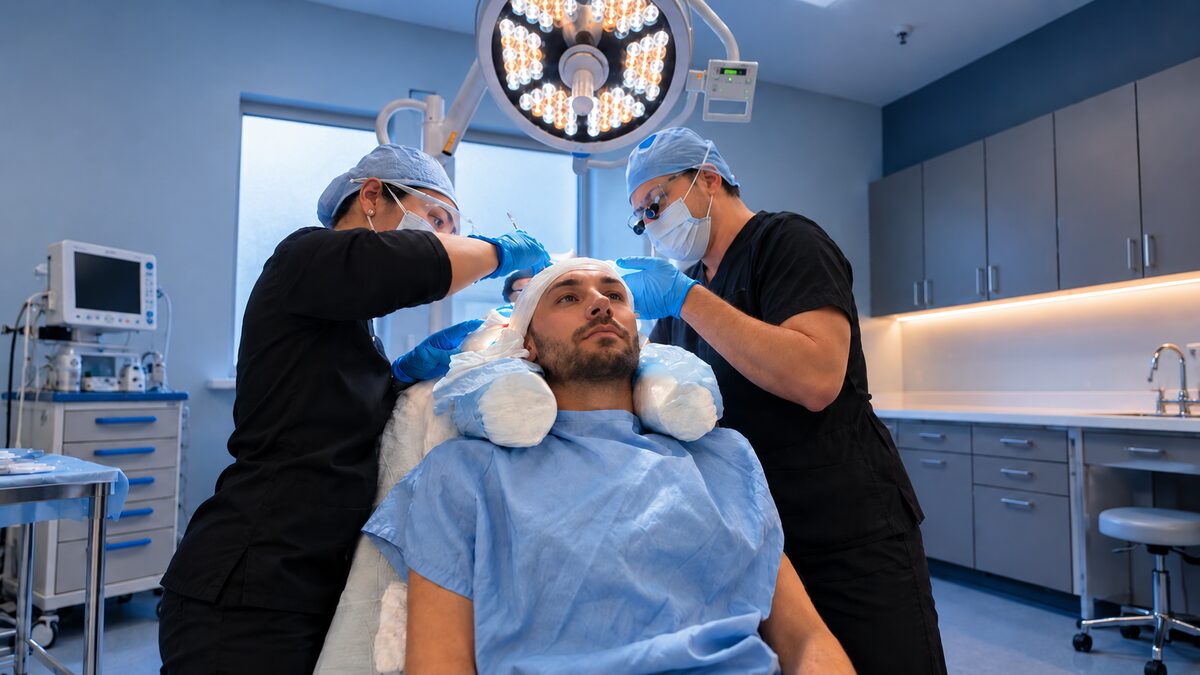
Before & After Gallery
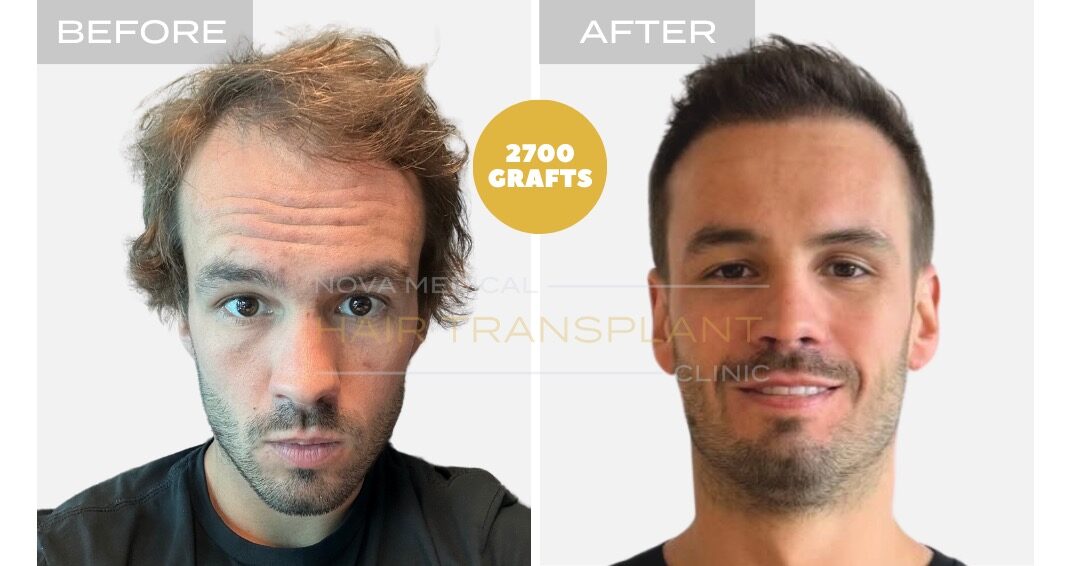
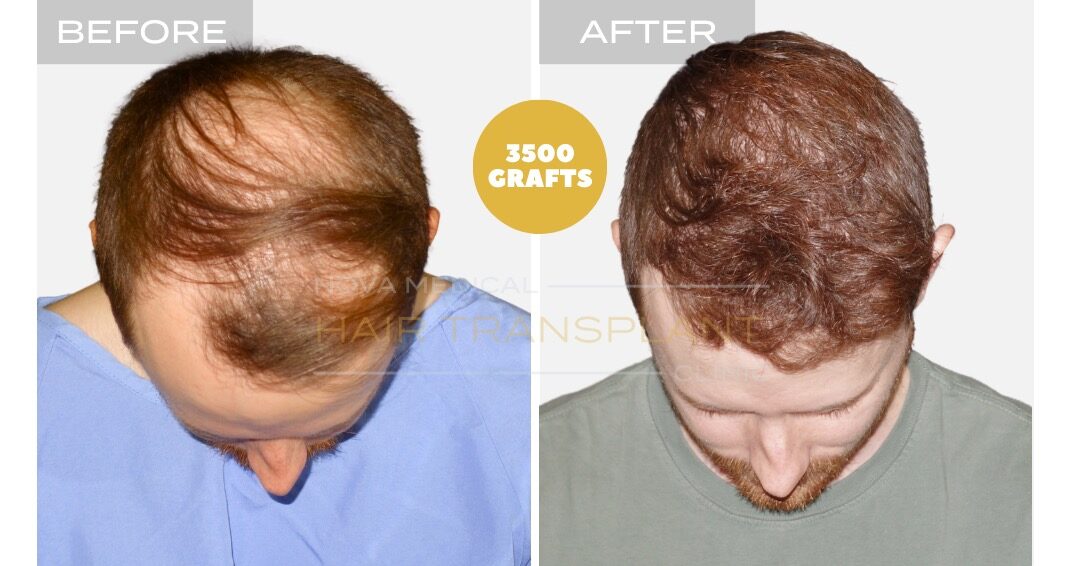
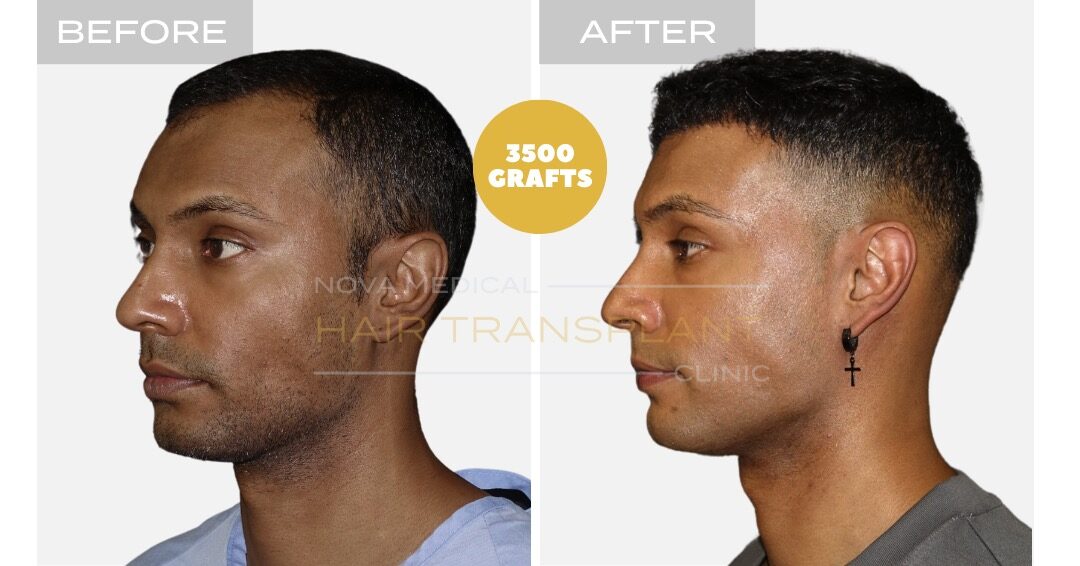
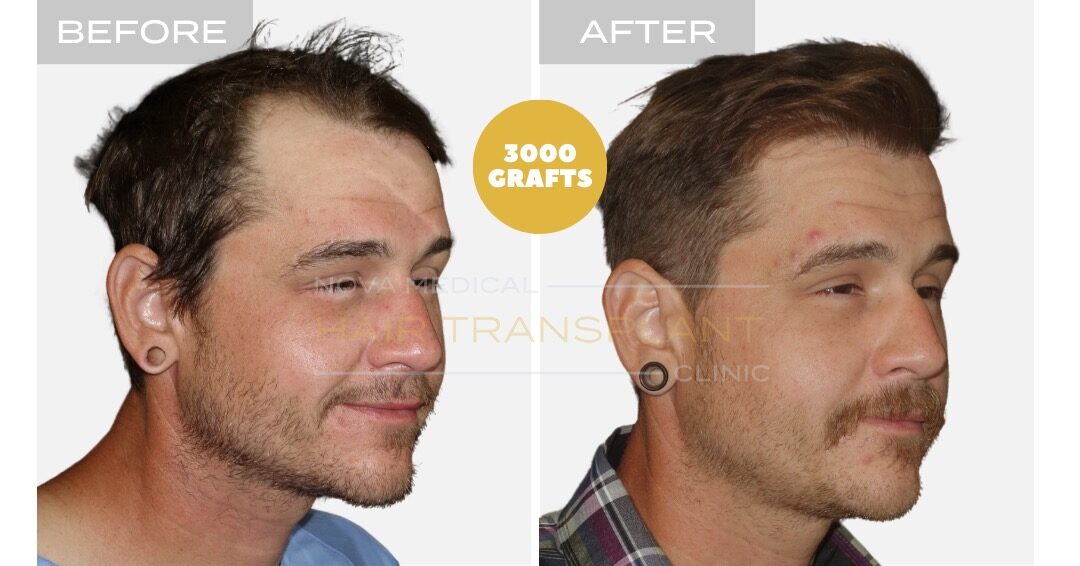
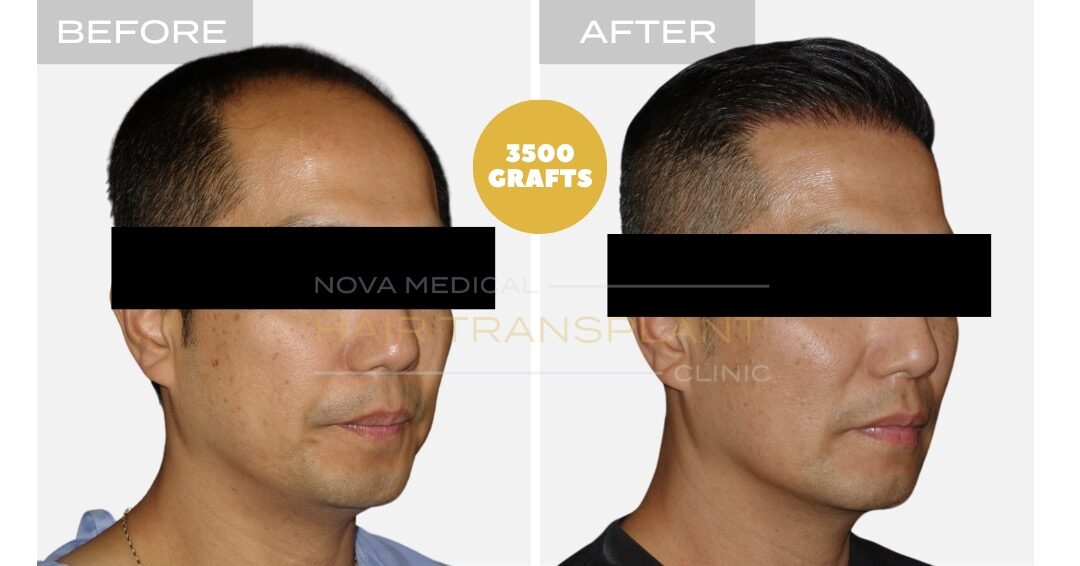
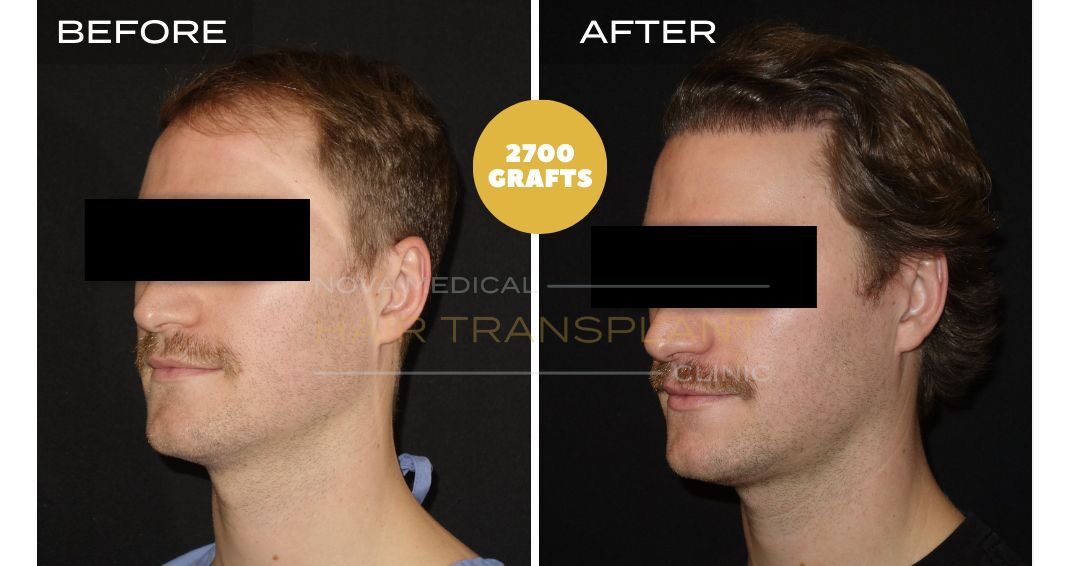
Where DHI Helps Milwaukee Patients
Used on the right part of the scalp, pen placement brings some practical advantages for patients from Milwaukee and across southeastern Wisconsin who visit our Glendale clinic:
Precision Along the Hairline
The front edge is what people see first. A pen lets each graft enter at the low, forward-pointing angle that a soft, believable hairline needs.
Openings Made One at a Time
The skin is only opened where a graft is going, using a fine needle well under a millimeter across, so no larger incisions are made in the recipient area.
Short Time Out of the Body
Pens are loaded a few at a time and used right away, which keeps the wait between harvest and placement brief for each follicle.
Quick Return to Desk Work
Many patients with office jobs need only a few days away, and a loose cap can cover the area while the small crusts come away.
No Strip, No Stitches
Because donor hair is collected unit by unit, no strip is removed from the back of the head and there is no sutured line, so shorter haircuts stay possible.
Following Your Growth Pattern
The pen can be angled to copy the direction your own hair grows in each area, which helps the new hairs lie naturally and blend in.
Fewer Touches per Graft
Grafts are handled fewer times between extraction and implantation, which helps protect the fragile tissue surrounding each follicle.
Suited to Defined Zones
Temple recession, a hairline that has softened or a small thin spot at the crown are the kinds of areas where the slower pace earns its keep.
Everyday Confidence
What patients often notice most is no longer thinking about harsh light, a gust of wind or how they look on a video call.
Chosen for Your Scalp
Whether a pen, forceps or a combination is used is decided only after your donor area and hair characteristics have been examined.
How a DHI Session Runs
A DHI day at our Milwaukee clinic generally follows this order:
- Numbing: local anesthetic is applied to the donor and recipient areas, and you remain awake and comfortable.
- Extraction: follicular units are removed one by one from the back and sides of the scalp, the zone least prone to thinning.
- Sorting: grafts are checked under magnification and kept cool in a storage solution until placement.
- Loading: a team member slides each graft into the needle of an implanter pen, with several pens prepared and cycled through.
- Placing: the pen is held at the angle and depth set out in the plan, it deposits the graft, and a freshly loaded pen takes its place. The design is planned, and the session overseen, by Dr. Richard Parfitt, MD.
Is DHI a Good Match for You?
DHI tends to suit people who are:
- Rebuilding a hairline or temples: places where every angle is visible and careful spacing pays off.
- Treating a contained area: one region rather than coverage across the whole scalp in a single day.
- Adding density among existing hair: grafts can be slipped in between native hairs with lower risk of harming them.
- Working with a healthy donor area: enough hair at the back and sides to supply the plan.
- Comfortable with the timeline: new hair needs most of a year to mature, whatever tool places it.
Your Hair Back?
Placed one graft at a time, with care at every angle.
Request a Free Consultation
No obligation • Free assessment
DHI vs. Standard FUE
DHI is really a version of FUE: the harvest is identical, and only the placement step is handled differently. Standard FUE separates the two jobs, so the team can design and open the whole recipient pattern first and then fill it. DHI merges them. Neither approach wins in every case, and DHI comes with trade-offs worth knowing:
- Slower per graft: placing grafts one pen at a time adds hours when a plan needs several thousand grafts.
- Possibly higher cost: the extra time and disposable pen supplies can raise the price without improving the result on every scalp.
- Better in some zones than others: broad, less visible areas usually do equally well with forceps and sites opened in advance.
DHI vs. FUT
Next to strip surgery, both DHI and standard FUE give you:
- Small donor marks: tiny round points at the back of the head that disappear into the surrounding hair.
- Natural direction: grafts follow your own growth pattern and blend with existing hair.
- Simpler healing: no sutured donor wound, unlike FUT (follicular unit transplantation), where a strip of scalp is removed.
- Freedom to keep the back and sides short
- Close control over hairline shape and density
- A quicker recovery with little donor-site soreness
- Donor hair saved for a possible later session
Before Your DHI Procedure
A little preparation makes the day easier:
- Two weeks out: send us a complete list of your medications and supplements; a blood thinner is only paused if the doctor who prescribed it agrees.
- The week before: put cigarettes and vapes aside if you can, since nicotine cuts blood flow to the scalp while grafts take hold.
- The last few days: leave out alcohol, and hold off on hair color, gels, sprays and fibers.
- The night before: wash your hair normally, eat a proper meal and aim for a full night of sleep.
- The morning of: have breakfast, wear a shirt that opens at the front and line up a ride home from Glendale, since it is a long day.
Aftercare at Home in Milwaukee
You leave with written instructions, a saline spray and a travel pillow for your neck. For the first few nights, sleep with your head slightly raised, and avoid touching, scratching or pressing a tight hat onto the grafts until our team gives the all-clear.
We walk you through your first gentle wash, which normally happens on the second or third day. Check-ups continue through the first year so we can track growth, and the hair transplant recovery page sets out what to expect week by week.
If something concerns you between visits, call or text (414) 888-6426 and our Milwaukee team will help you decide what to do next.
Free ConsultationHow Long Do DHI Results Last?
Transplanted hair is intended to be permanent. Follicles from the donor zone carry their resistance to pattern loss with them wherever they are placed, and using a pen does not alter that.
-
1
Donor Hair Keeps Its Nature
Hair from the back and sides is less sensitive to DHT, the hormone that drives pattern loss, and it keeps that trait after transplantation.
-
2
Most of a Year to Mature
Transplanted hairs usually shed within a few weeks, new growth starts around the third or fourth month, and density fills in by roughly a year. Every patient's timing is a little different.
-
3
Hair That Was Never Moved
Native hair can continue to thin. A hairline drawn with the future in mind, plus treatment to protect existing hair, keeps the overall look balanced.
-
4
Everyday Habits
Sensible nutrition, enough sleep, sun protection for the scalp and staying away from tobacco help both the grafts and your native hair.
-
5
Annual Check-Ins
Seeing us once a year means new thinning is spotted early and the plan can be adjusted before it becomes obvious.
Why Patients Choose Our Milwaukee Clinic for DHI
A Physician Overseeing Every Plan
Each DHI plan at our Glendale clinic is designed and overseen by Dr. Richard Parfitt, MD, drawing on more than 25 years of medical experience centered on the face; the hands-on work is done by our surgical team.
Pen or Forceps, Zone by Zone
Placement is chosen area by area, so the hairline can receive pen work while larger regions are handled with whichever method serves them.
A Hairline Drawn With You
Your new hairline is marked, checked with you in a mirror and refined until it fits your face.
Thinking Ahead
Graft placement accounts for how your hair may change over the years, so the result keeps looking natural with age.
Honest Recommendations
If a different method would suit you better than DHI, we will say so and explain the reasons.
A Relaxed Procedure Day
Local anesthetic, breaks whenever you want them and a calm room help a long session pass comfortably.
Clear Pricing
Each graft costs $3.99 to $7.99. There are no session fees, and 0% financing covers the first 12 months.
Book a DHI Consultation in Milwaukee
DHI refines the placement step of FUE rather than replacing it, and the right balance comes down to your hair type, what you hope to achieve and which zones need work. The graft count sets the price, and most procedures come to $4,000 to $15,000, and our hair transplant cost Milwaukee page explains how pricing is worked out.
To find out if DHI fits your case, arrange a free assessment at our Milwaukee clinic, 5215 N Ironwood Rd, Unit 202, Glendale, where consultations and procedures both take place. Our main clinic is in Madison at 2261 Deming Way, Middleton. Call or text (414) 888-6426 to pick a time.