
PRP Hair Loss Wisconsin
Your Own Plasma, Put to Work on Thinning Hair
PRP hair loss treatment at Nova Medical Hair Transplant Wisconsin uses a concentrate made from a small sample of your own blood. The platelet-rich layer is injected into areas where hair is getting thinner, with the aim of keeping weakened follicles in their growing phase.
Thinning hair rarely happens overnight. A part that looks a little wider each year, a crown that shows under bright light or more hair in the brush than there used to be are often the first signs, and they affect men and women alike.
We offer PRP at our Wisconsin clinic, at 2261 Deming Way in Middleton. Each plan starts with an exam, because PRP only makes sense when there are still living follicles to support.
PRP sits between medication and surgery. Some patients use it on its own to slow early loss, others combine it with prescription treatment, and many add it to a hair transplant to support the native hair around new grafts.
We also discuss PRP with patients planning a beard or eyebrow transplant. Call or text (414) 888-6426 to book your free assessment in Wisconsin and get a straight answer on whether it suits you.
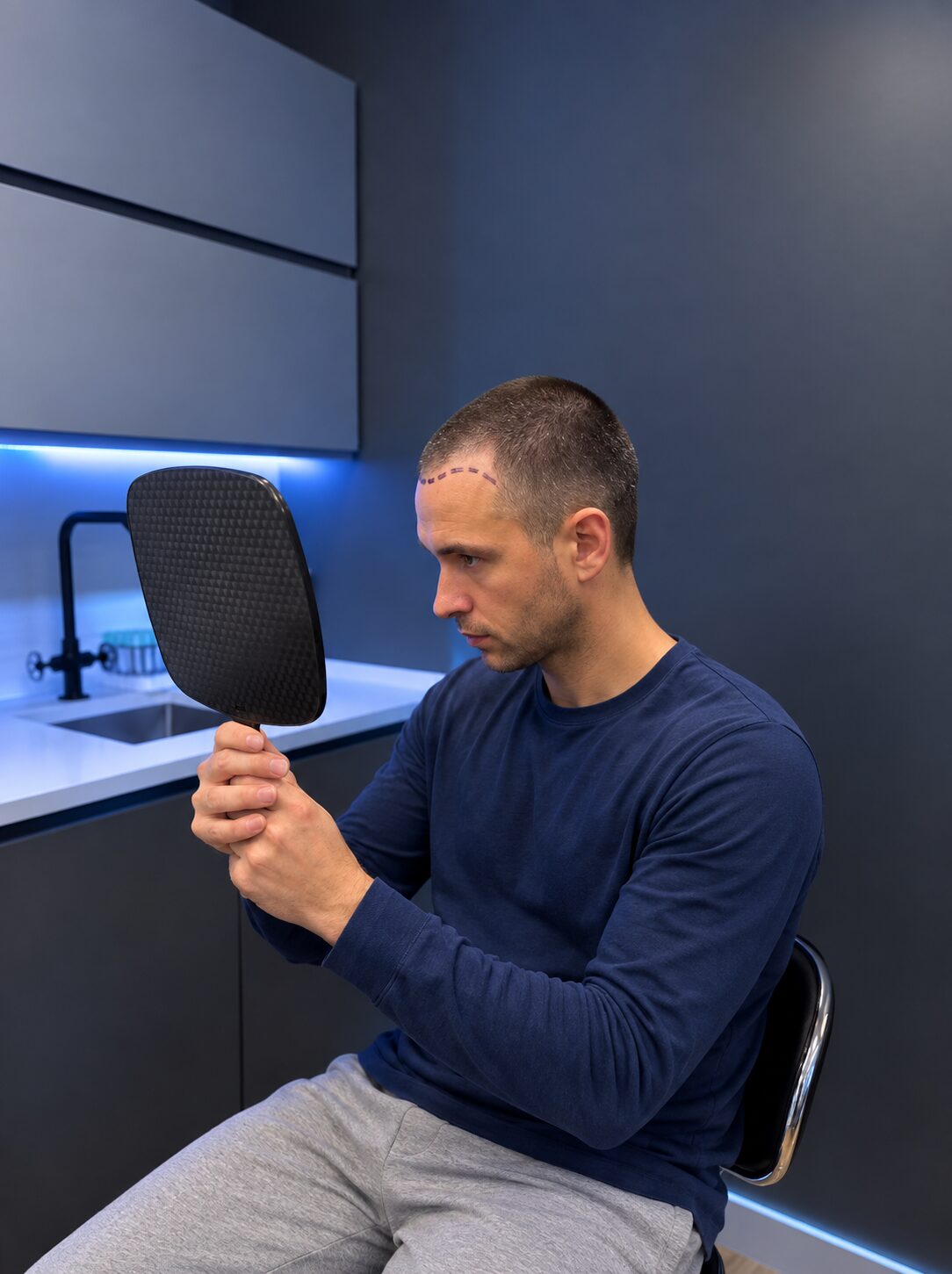
The PRP Treatment Process
-
1
Assessment First
We look closely at the scalp, ask how long the thinning has been going on and review your health and medications. If PRP is unlikely to help, we say so before anything is booked.
-
2
The Blood Draw
On treatment day a small amount of blood is taken from your arm, much like a routine lab test at your family doctor.
-
3
Preparing the Plasma
The sample is spun in a sterile centrifuge so the red cells settle out and the platelet-rich plasma can be collected for use in the same appointment.
-
4
Numbing & Placement
The scalp is numbed first. The plasma is then placed with fine needles into the thinning zones mapped at your assessment.
-
5
Repeat Sessions
PRP works as a course, not a single visit. After the first sessions we space out maintenance visits based on how your hair responds.
PRP Pricing in Wisconsin
The cost of PRP depends on the number of sessions in your plan and on whether it is a stand-alone treatment or part of a transplant. You receive the session schedule and the total in writing after your assessment.
Patients across Wisconsin use PRP in different ways: on its own for early thinning, or alongside FUT or FUE surgery. Your plan reflects which of those fits you.
0% financing for the first 12 months is available, and our hair transplant cost page explains how payment plans and per-graft pricing work. There are no surprise fees and no pressure to decide on the day.
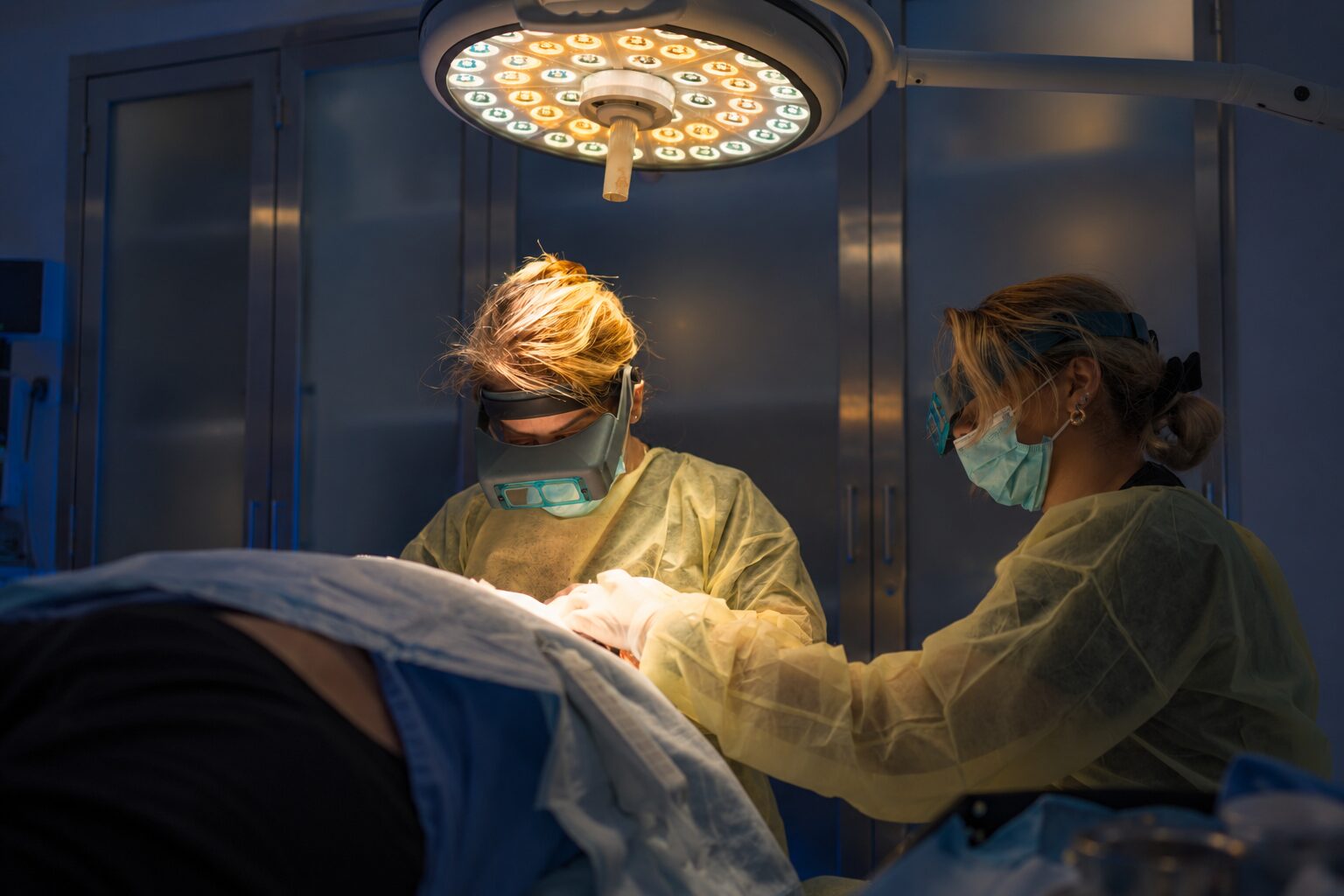
But Your Hair Can Be.
Follicles that are shrinking can still be helped. Follicles that are gone cannot, which is why an early look matters.
Request a Free Consultation
No obligation • Free assessment
How Long Does the PRP Treatment Take?
A PRP visit is a short outpatient appointment: the blood draw, preparation of the plasma and the injections all happen in one sitting. The scalp is numbed, nothing is cut or stitched and there is no scar. Most patients drive themselves home and go back to normal routines the next day, holding off on hard exercise for a few days.
Changes come slowly. Less shedding is often the first thing people notice, and thicker-looking hair tends to follow after a few months. Maintenance sessions every few months help keep what you gain, and PRP can be combined with other treatments.
To see what our patients have achieved with surgical restoration, visit our before & after gallery, or call (414) 888-6426 to book a consultation.
Who Is an Ideal Candidate for PRP?
PRP does not replace a hair transplant and cannot add follicles where none are left. It is most useful in early thinning, for many women with diffuse loss, and as support around a transplant. You may be suited to it if you have:
- Hair that is thinner than it was but still covers the scalp
- Early pattern thinning in men or women, caught before it advances
- A recent rise in shedding on the pillow, comb or shower floor
- A preference to avoid surgery for now, or a transplant you want to support
- Good general health with no bleeding or platelet disorder
- Realistic goals: stronger existing hair rather than new hair on bald skin
Benefits of PRP Treatment
Why patients across Wisconsin often ask about PRP early on.
No Surgery
There are no incisions and no stitches. Fine needles deliver the plasma, so there is no wound to look after.
Made From Your Blood
The plasma comes from your own sample, drawn the same day, so an allergic response to it is rare.
Little Downtime
Most people return to work the next day. The scalp may feel tender for a short time, and there is nothing to bandage.
Support for Weak Follicles
Growth factors released by platelets are aimed at follicles that have started to miniaturize, so the hair they grow can become stronger.
Pairs With Surgery
As part of an FUE or FUT plan, PRP can support the surrounding native hair while the grafts settle in.
One Short Visit
Each session fits into a single appointment at our Wisconsin clinic, with no overnight stay.
PRP for Different Types of Hair Loss
The cause of thinning decides whether PRP is worth trying, so we diagnose first and recommend second. PRP is most often considered for:
- Pattern thinning - temples, crown or a widening part, treated while the follicles are still active
- Diffuse thinning & shedding - hair loss spread over the top of the scalp rather than one bald patch
- Post-transplant support - help for the native hair near new grafts during recovery
- Female hair loss - a non-surgical option often weighed together with female hair transplant surgery
Completely bald, shiny skin has no follicles left for plasma to act on. In those areas a hair transplant is the practical option, and we will be clear about that at your first visit.
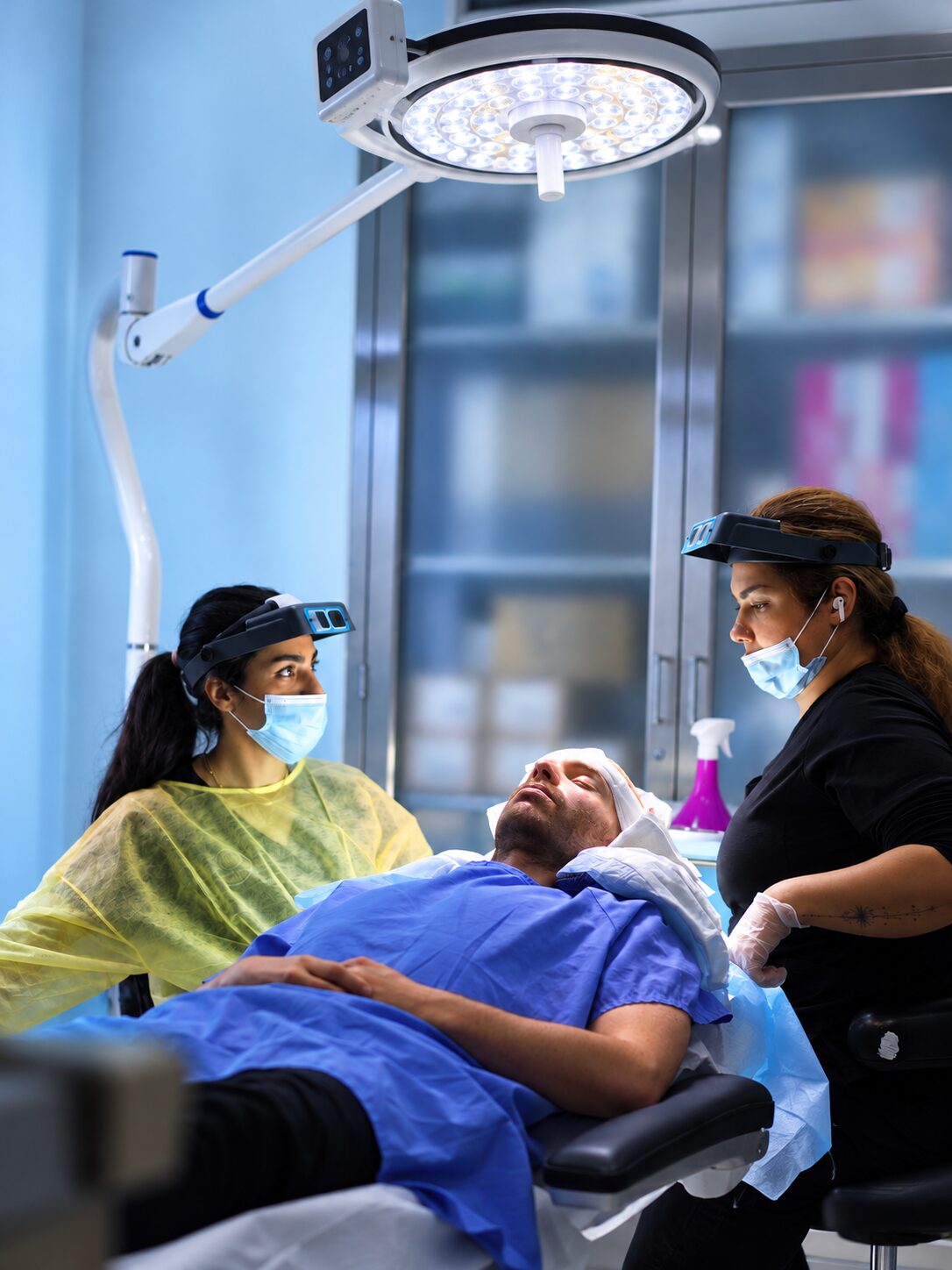
PRP Hair Loss Treatment in Wisconsin
Two things decide PRP results: the quality of the plasma and where it is placed. Both get attention at our Wisconsin clinic, and every sample is prepared fresh during your visit.
Your sample is handled in a sealed, sterile kit that isolates the platelets, and the plasma goes back into the scalp straight away rather than being stored.
Injections follow the thinning areas identified at your assessment instead of being spread evenly across the scalp. This kind of planning is part of the Nova Protocol™ we use for every procedure.
We provide non-surgical care and surgical hair transplants, so the recommendation is based on your hair, not on a single product. Every PRP plan is overseen by Dr. Richard Parfitt, MD.
Getting Ready for Your PRP Session
-
1
Eat and Drink Normally
Have your usual meal and plenty of water before the appointment. It makes the blood draw easier and helps prevent light-headedness.
-
2
Check Your Medications
Some painkillers, blood thinners and alcohol can affect platelets. We give you written guidance on what to pause and when, and you should only stop a prescribed medicine with your prescribing doctor's agreement.
-
3
Wash Your Hair
Shampoo on the morning of your session and skip styling products. Afterward, most patients carry on with their day.
PRP Recovery & Results Timeline
- Session Day
One outpatient visit with the scalp numbed. Mild tightness or soreness at the injection sites is common and settles within hours.
- 24-48 Hrs
Skip intense workouts, saunas and harsh hair products for a couple of days. Most people feel normal by the next morning.
- Weeks 2-6
Shedding often starts to ease first, which is an early sign the follicles are responding.
- Months 4-6
Thicker-looking hair usually becomes noticeable in this period and continues to build gradually.
- Every Few Months
Regular maintenance sessions help hold on to the improvement, since the effect wears off over time without them.
How Does PRP Work?
Platelets are mainly known for helping blood clot, but they also release growth factors that the body uses to repair tissue. Spinning a blood sample concentrates those platelets into a small volume of plasma.
Before it was used for hair, PRP had a history in other areas of medicine, including wound care, sports medicine and skin treatments.
For hair loss, the thinking is that concentrated growth factors may encourage follicles that have slowed down to stay active and produce stronger hair.
The research is still developing, and responses differ from one person to the next. That is why we set expectations at the start and judge progress against your own photos.
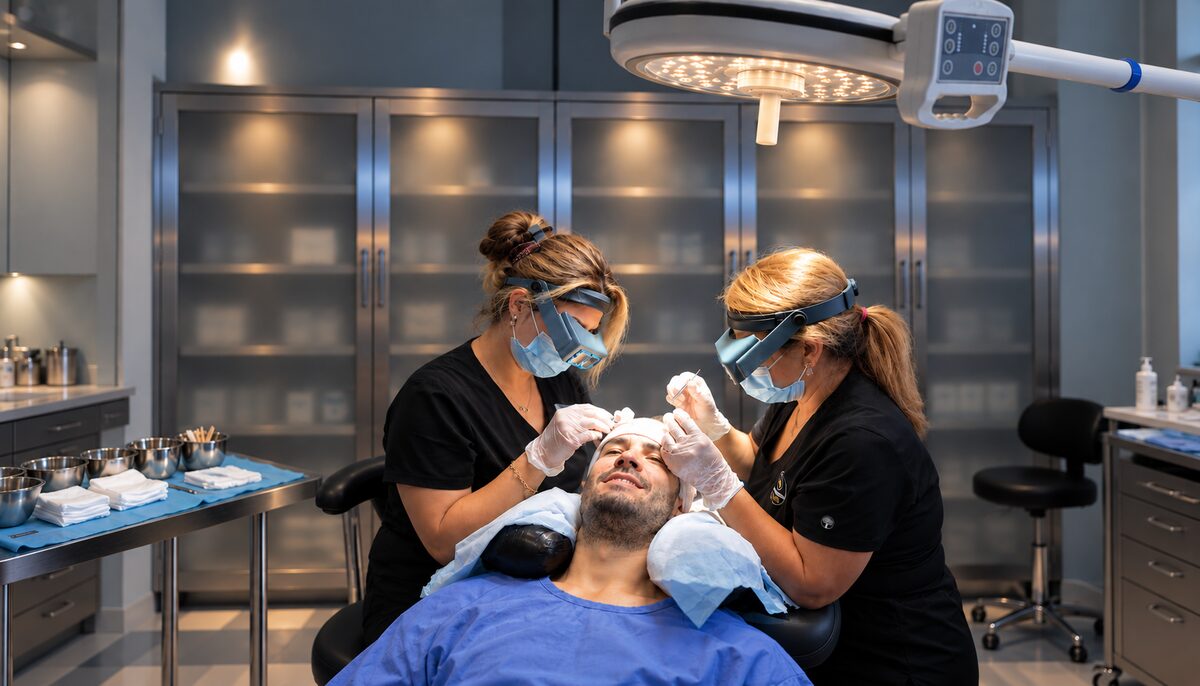
What Makes Our PRP Treatment Different?
We use a preparation system designed to produce a concentrated plasma, and we photograph your scalp at each visit so the plan can be adjusted to how you are responding.
Depth matters, because the plasma needs to reach the level of the follicles. Our medical team delivers it consistently at that depth, under the oversight of Dr. Richard Parfitt, MD.
You get a clear explanation of what PRP can and cannot do, along with the other options that may suit you, so you can choose with full information. Our results gallery shows real patient outcomes.