
Female Hair Transplant Wisconsin
Addressing Female Hair Loss
with FUE Hair Transplant
in Wisconsin
At Nova Medical Hair Transplant in Wisconsin, we offer specialized hair restoration solutions tailored to the unique needs of women experiencing hair thinning or loss. Female hair transplant Wisconsin procedures are designed to restore volume, density, and natural hairlines, helping women regain their confidence and achieve lasting results. Whether caused by genetics, hormonal changes, or medical conditions, hair loss in women can be effectively treated with advanced techniques like Follicular Unit Extraction (FUE). Our experienced team provides personalized consultations to create a treatment plan that suits your individual goals and delivers natural-looking, permanent results.
Hair loss can be just as challenging for women as it is for men, even though it tends to be less common among females. On average, it’s normal to shed 50-100 hairs per day. However, when hair loss becomes more severe, it can lead to a widening part or a more visible scalp, causing emotional and social distress.
A female hair transplant Wisconsin is a permanent solution designed to restore hair density and volume in areas affected by thinning or balding. Using advanced techniques like Follicular Unit Extraction known as FUE, individual hair follicles are taken from a donor area, typically the back of the scalp, and transplanted to areas of thinning. The goal is to create natural, fuller hair that blends seamlessly with the existing hairline.
More women are turning to hair transplants as a viable option for restoring their hair and confidence. This procedure offers long-lasting results and a renewed sense of self-esteem for those facing significant hair loss.
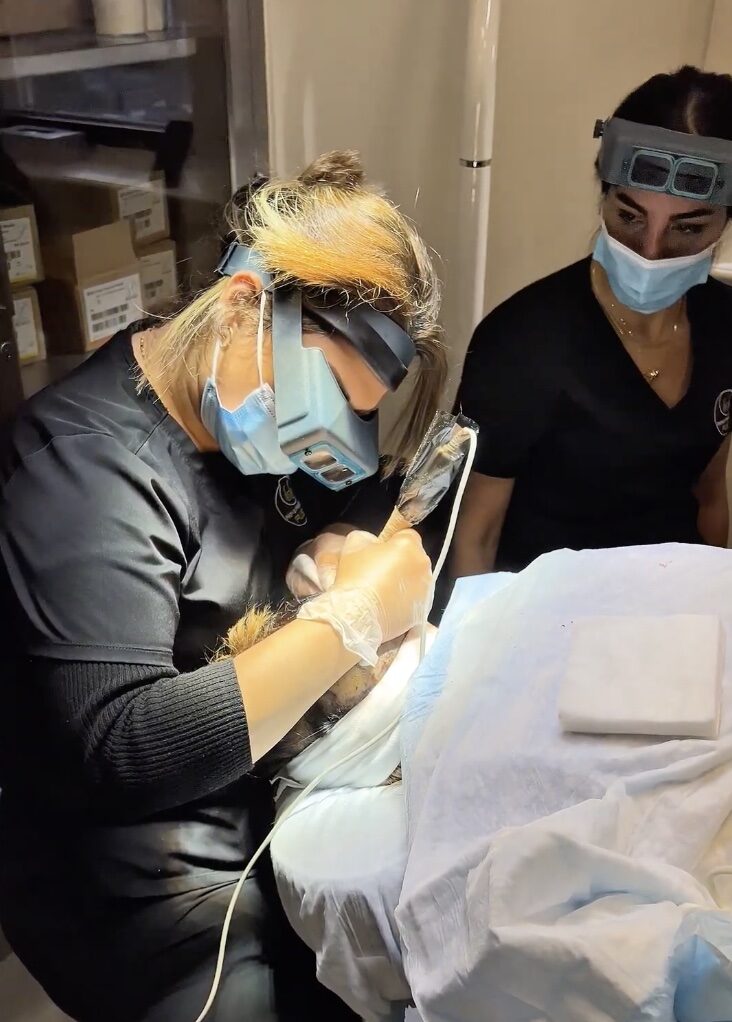
Before & After Gallery
Every result shows the grafts it took and what the same plan costs. Tap one to see your plan.
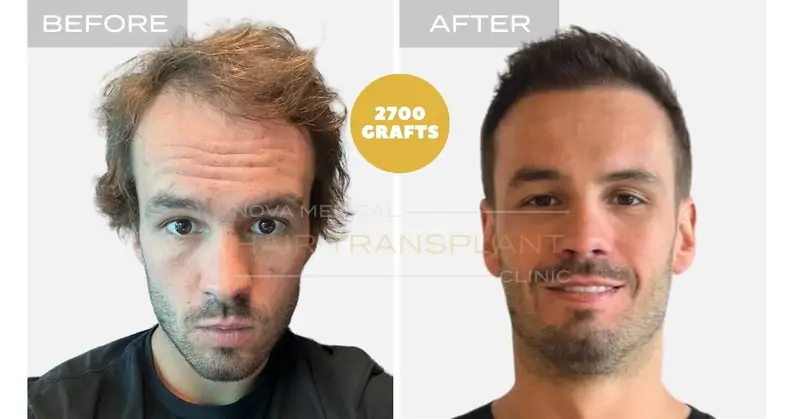
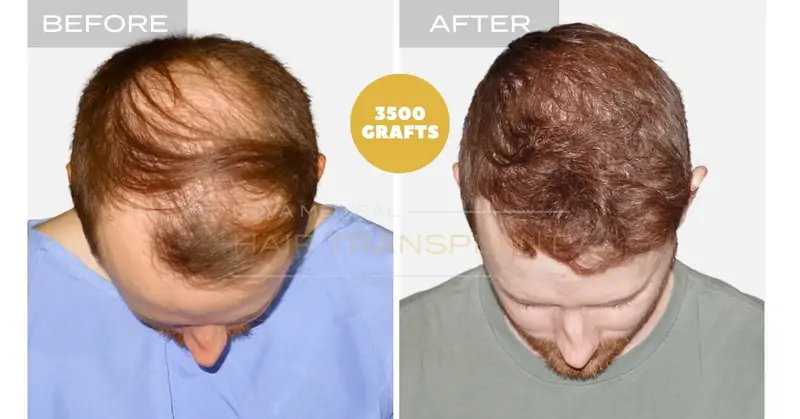
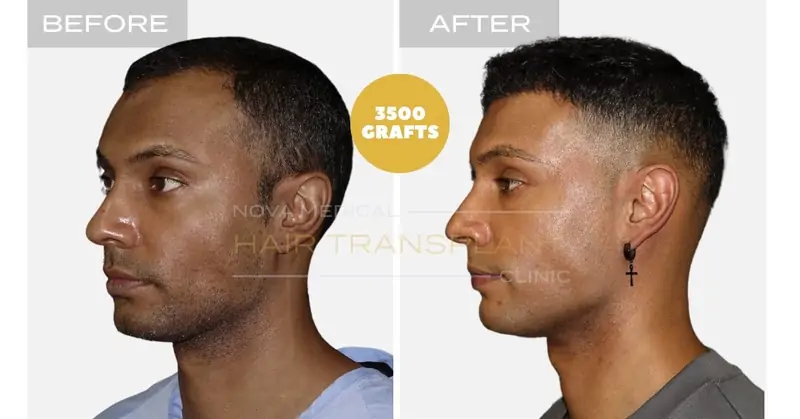
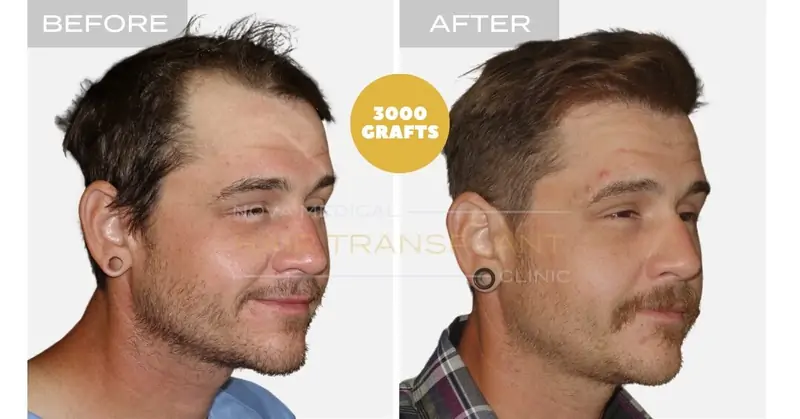
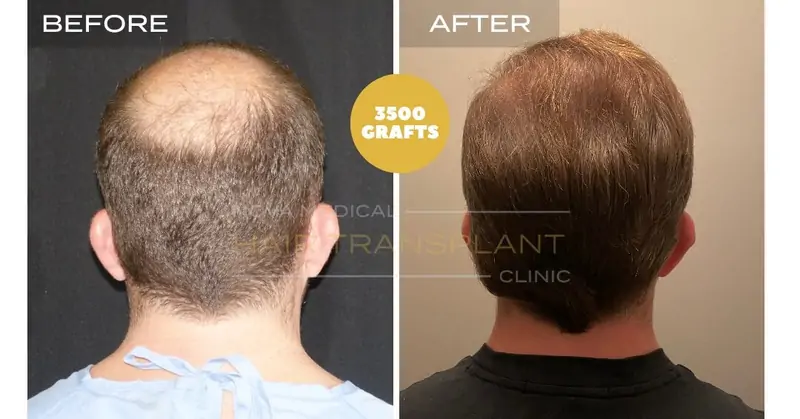

Estimates only - your exact plan and price are confirmed at your free assessment. Monthly payment options available, as low as $270/mo, subject to credit approval. Results vary and are not guaranteed.
Disclaimer: Outcome or results shown are not guaranteed and may vary from patient to patient. Cosmetic procedures are associated with possible risks and complications, always have a thorough discussion with your surgeon. Images posted with consent.
What to Expect During Your Female Hair Restoration
-
1
Personalized Treatment Plan
Your journey begins with a comprehensive consultation with our medical team. During this appointment, we will assess your hair loss, discuss your aesthetic goals, and develop a customized treatment plan. In addition to Follicular Unit Extraction (FUE), we also offer treatments such as Platelet-Rich Plasma (PRP) therapy. PRP involves using your body’s own growth factors to stimulate hair growth and can be combined with a hair transplant to enhance results. This personalized approach ensures that we address your specific needs, whether you’re experiencing overall thinning, a receding hairline, or patchy hair loss.
-
2
Preparation and Design
On the day of your procedure, you’ll arrive at our modern clinic where we ensure your comfort. The first step involves designing the hairline or targeted treatment area. Our team will carefully plan the graft placement to achieve a natural look that complements your facial structure. You will have the opportunity to review and approve the design before the procedure begins.
-
3
Donor Hair Extraction
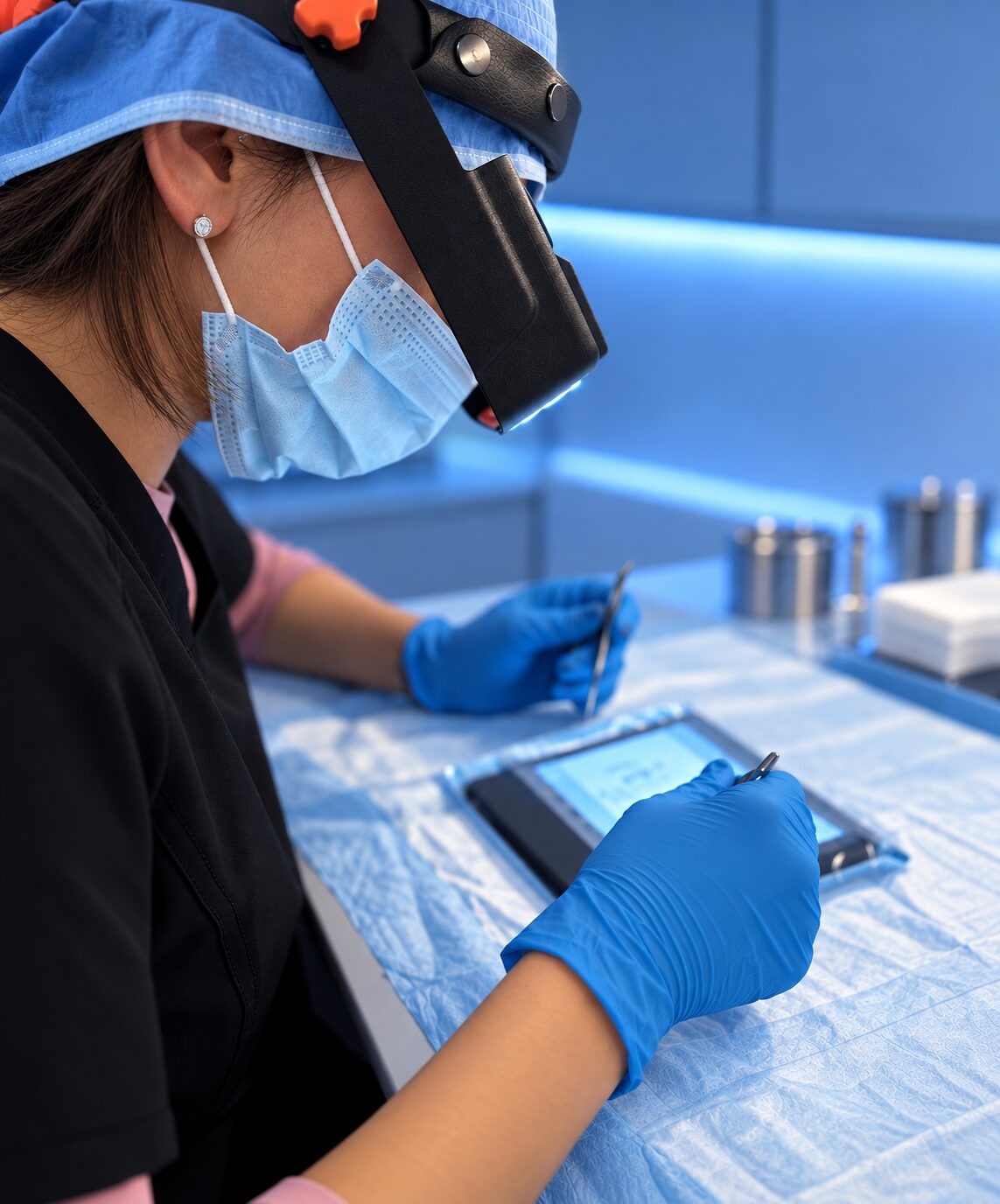
Local anesthesia will be applied to both the donor and recipient areas, ensuring a comfortable experience. Using the FUE method, individual hair follicles are extracted from the donor site - typically the back of the scalp. This process is minimally invasive and leaves little to no scarring, allowing for a smoother recovery.
-
4
Graft Placement
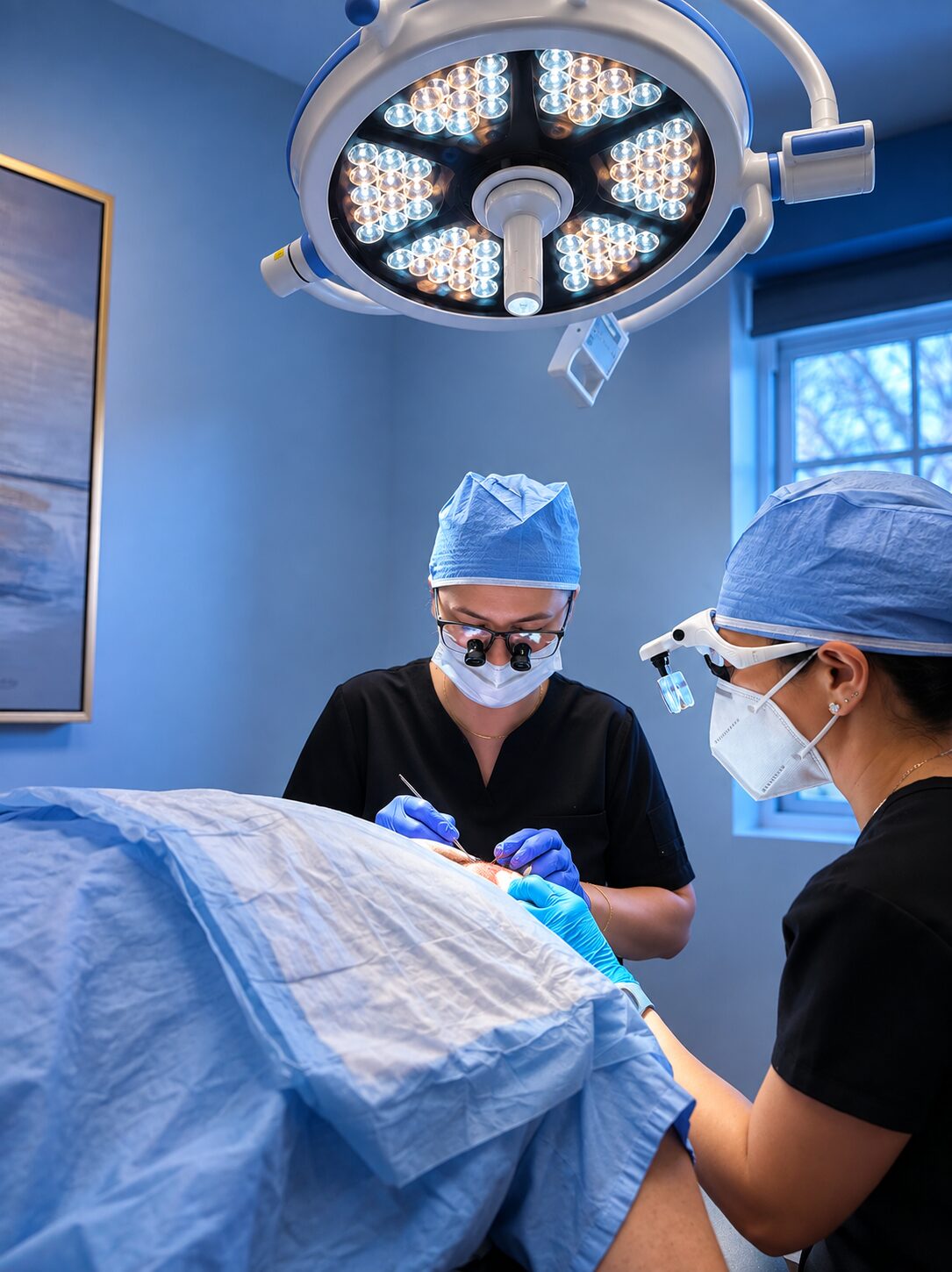
Once the follicles are prepared, our medical team meticulously implants each graft into the designated areas. Careful attention is given to the angle, direction, and density of the hair, ensuring that the new hair blends naturally with your existing hair. Depending on the number of grafts needed, the procedure may last several hours.
-
5
Post-Procedure Care
Following the transplant, you’ll receive detailed aftercare instructions. Mild swelling or redness is common in the first few days, but it typically subsides quickly. We recommend avoiding strenuous activities and following specific care guidelines for optimal healing.
-
6
Recovery and Results
Most patients can return to light activities within a few days of the procedure. In the weeks following the transplant, it’s normal for some of the transplanted hair to shed - this is part of the natural growth cycle. New hair growth will begin within a few months, with full results typically seen after 6 to 12 months. PRP therapy may also be incorporated post-procedure to further enhance hair growth and speed up recovery.
Female Hair Transplant Cost in Wisconsin
What a woman pays depends almost entirely on how many grafts her plan needs. Thinning along the part or at the temples is a smaller job than rebuilding density across the whole top of the scalp, so we size the plan before we quote it.
Grafts are priced at $3.99 to $7.99 each, and most procedures fall between $4,000 and $15,000. There are no session fees added on top. Your figure is confirmed in writing after an in-person scalp exam at our Wisconsin clinic, and our hair transplant cost page explains how the per-graft rate works.
Patients who prefer to pay over time can apply for monthly plans, with 0% financing for the first 12 months.
Request a Free Consultation
No obligation • Free assessment
How Long Does a Female Hair Transplant Take?
Plan on giving the procedure a single day. The length depends on the graft count, and most female cases are finished in one visit, so you go home the same day with your aftercare sheet.
You stay awake under local anesthesia, and there are pauses built in to stretch, eat and use the restroom. Many women bring headphones or something to watch while the grafts are placed.
Bring someone to drive you home if you can, and plan a quiet evening. Most of the day is spent resting in the chair.
Are You a Good Candidate?
Not every woman with thinning hair needs surgery, and not every woman is suited to it. At the consultation we look at how your hair has changed, how much donor hair you have and what you want to see in the mirror. Good candidates tend to have:
- Hair loss that has settled rather than one that is still speeding up
- A dense band of donor hair at the back and sides of the scalp
- Expectations that match how many grafts can be moved
- Medical issues such as thyroid or iron levels checked and under control
- A willingness to stop smoking or vaping before and after surgery
Benefits of Female Hair Transplants
Female hair transplant Wisconsin offer a wide range of benefits for women experiencing hair thinning or loss, providing both cosmetic and emotional improvements. At Nova Medical Hair Transplant in Wisconsin, our techniques, such as Follicular Unit Extraction, are specifically designed to address female hair loss with natural, lasting results. Here are six key benefits of choosing a female hair transplant:
Permanent Solution
One of the primary benefits of a hair transplant is that it provides a permanent solution to hair loss. Unlike temporary fixes such as topical treatments or wigs, hair transplants involve transplanting real, healthy hair follicles from a donor area (usually the back of the scalp) to thinning or balding areas. Once transplanted, the hair follicles continue to grow naturally, offering long-lasting results. This permanent approach ensures that women can regain their hair without constantly relying on ongoing treatments or artificial solutions.
Natural-Looking Results
At Nova Medical, we prioritize creating results that look and feel completely natural. Using the FUE method, individual hair follicles are carefully extracted and implanted to match the natural direction, angle, and density of your existing hair. This attention to detail ensures that the transplanted hair blends seamlessly with your original hair, giving you a fuller, healthier appearance without any obvious signs of surgery.
Boosts Confidence and Self-Esteem
Hair loss can have a significant impact on a woman’s confidence and self-image. Thinning hair or a widening part may cause emotional distress and affect daily life. A hair transplant can help restore not only hair but also confidence. By providing fuller, thicker hair and restoring a natural hairline, female hair transplants allow women to feel more confident in their appearance, enhancing overall well-being and self-esteem.
Customizable to Individual Needs
Every woman’s hair loss pattern is unique, which is why hair transplants are highly customizable. Whether you are experiencing general thinning, a receding hairline, or patchy hair loss, the treatment plan is designed to suit your individual needs. During the consultation, our team will assess your hair loss and create a personalized approach tailored to your hair type, facial structure, and aesthetic goals. This ensures that the results are specifically designed to enhance your natural look and meet your expectations.
Minimally Invasive Procedure
The FUE technique is a minimally invasive procedure, making it an excellent option for women looking for a relatively quick and easy solution to hair loss. The process involves extracting individual hair follicles without the need for large incisions or stitches, which reduces the risk of scarring and speeds up recovery. Most patients can return to light activities within a few days after the procedure, and there is minimal discomfort involved.
Low Maintenance and Long-Term Results
Once your female hair transplant Wisconsin is complete, the new hair requires minimal maintenance. After the initial recovery period, the transplanted hair grows naturally along with your existing hair, allowing you to wash, style, and care for it just as you normally would. There is no need for special products or treatments to maintain the results. Over time, the transplanted hair will continue to grow just like the rest of your hair, offering long-term results without ongoing upkeep.
What Causes Hair Loss in Women?
Hair loss in women can be caused by a variety of factors, some of which are similar to those that affect men, while others are unique to females. One of the most common causes is genetic predisposition, also known as female pattern hair loss or androgenic alopecia. This condition is often inherited and typically results in thinning hair across the top of the scalp.
Hormonal changes also play a significant role in female hair loss. Events such as pregnancy, childbirth, and menopause can cause fluctuations in hormone levels, leading to increased shedding or thinning. Thyroid imbalances and conditions like polycystic ovary syndrome (PCOS) can also contribute to hair loss in women.
Other factors include stress, which can trigger a condition called telogen effluvium, where hair prematurely enters the resting phase of the hair cycle, leading to temporary but noticeable shedding. Nutritional deficiencies, such as a lack of iron, vitamin D, or protein, can weaken hair and cause it to thin over time. Additionally, harsh hair treatments, tight hairstyles, and certain medications can damage hair follicles, leading to thinning or permanent hair loss.
Understanding the underlying causes is essential for determining the most effective treatment, including hair transplants, to restore healthy hair growth.
Hormone Shifts
Having a baby, coming off birth control, reaching menopause or a thyroid that runs too fast or too slow can all push many hairs into shedding at the same time.
Inherited Thinning
When thinning runs on either side of the family, it usually shows first as a broader part and a see-through look on top, while the frontal hairline often holds.
Stress & Illness
A surgery, a high fever, a bereavement or a rough stretch at work can be followed two to three months later by a sudden shed that often settles on its own.
Pulling & Scalp Disorders
Years of tight ponytails, weaves or heavy extensions can thin the edges, and conditions such as alopecia areata or scarring alopecias need a medical diagnosis first.
Nutrition
Low ferritin, low vitamin D or too little protein in the diet can make hair grow back thinner, and these are often easy to test for and correct.
FUE Hair Transplant for Women
At Nova Medical Hair Transplant in Wisconsin, we specialize in Follicular Unit Extraction hair transplants tailored specifically for women. This technique offers a minimally invasive and highly effective solution for female hair loss. FUE involves extracting individual hair follicles from a donor area, typically the back of the scalp, and implanting them into thinning or balding areas.
Our FUE method is designed to create natural-looking results, with each hair carefully placed to match the angle, direction, and density of your existing hair. This ensures a seamless blend and fuller appearance that enhances your natural hairline. The procedure is ideal for women experiencing hair thinning, a widening part, or hair loss caused by genetic factors, hormonal changes, or medical conditions.
With minimal scarring and a faster recovery time, FUE is a modern option for women seeking long-lasting results that restore both hair and confidence. Our team will create a personalized treatment plan to help you achieve your hair restoration goals. Read more on our FUE Wisconsin page.
Hair Restoration for Women in Wisconsin
Nova Medical Hair Transplant Wisconsin sees women at our Wisconsin clinic at 2261 Deming Way in Middleton. Patients come from across Wisconsin, and you can reach the team on one phone line, (414) 888-6426.
If your thinning is mild or spread evenly, PRP for hair loss may be worth discussing first or alongside grafts. It is prepared from a small draw of your own blood, and we will tell you plainly whether it is likely to help in your case.
Every female plan is overseen by Dr. Richard Parfitt, MD, who reviews the graft count, the design and the areas to be treated before the procedure day. Call or text (414) 888-6426 to book a time at our Wisconsin clinic.
How to Prepare for a Female Hair Transplant
-
1
List What You Take
Write down your prescriptions, vitamins and supplements and bring the list. We will tell you which ones, if any, to pause before surgery and when to restart them. Do not stop a prescribed medicine on your own.
-
2
Check the Cause First
A close look at the scalp and, where it helps, recent blood work for iron, vitamin D or thyroid levels makes sure nothing treatable is being overlooked.
-
3
Procedure Day
Wash your hair that morning without styling products, eat a light breakfast and wear a shirt you do not have to pull over your head.
Recovery After a Female Hair Transplant
- First Week
Some swelling or tenderness is normal. Sleep with your head raised, keep the grafts dry and untouched as instructed, and take it easy with exercise and bending.
- Week 2
Small scabs have usually come away by now, and most women are back to normal daily routines. Ask us before you color or chemically treat your hair.
- Weeks 2-6
Many of the transplanted hairs fall out in this window. The follicles stay in the scalp and rest before they start a new growth cycle.
- Months 3-4
Fine new hairs begin to come through. They are thin and soft at first and thicken over the following months.
- 6 Months
This is often when friends start noticing. The part looks less obvious and styling takes less effort.
- Months 12-18
The new hair reaches its final thickness and texture. We compare photos with your starting point and talk about whether anything else is worth doing.
What to Expect on Procedure Day?
At Nova Medical Hair Transplant in Wisconsin, procedure day follows the plan agreed at your consultation. The scalp is numbed with local anesthesia first, and once it takes effect most women feel pressure rather than pain.
You go home the same day. Expect some tightness and mild swelling for a few days; it fades without special treatment if you follow the written instructions you are given.
If you have questions once you are home, call or text (414) 888-6426 and our Wisconsin team will help. Booking a consultation at our Wisconsin clinic is the first step toward a plan built around your own hair.
PRP for Women
PRP stands for platelet-rich plasma. A small amount of your blood is drawn and spun so the platelet layer can be separated and injected into the scalp.
Platelets carry growth factors, and the aim is to support weak follicles so they stay in their growing phase longer. Because it comes from your own body, there is nothing foreign being introduced.
For women, PRP is most often discussed for diffuse thinning and as support for healing after a transplant. Results vary, and we will be honest about whether it suits your type of hair loss.
Nova Medical's Board of Surgeons
Women treated in Wisconsin have plans reviewed by physicians across the Nova Medical network, alongside Dr. Richard Parfitt, MD.
Dr. Jeffrey Spiegel
Boston, USA - Facial plastic surgeon and founder of The Spiegel Center, known internationally for his work in facial aesthetics and hair restoration.
Dr. Richard Parfitt
Wisconsin - Dr. Richard Parfitt, MD, oversees every female hair restoration plan at our Wisconsin clinic, drawing on more than 25 years of experience focused on the face.
Dr. Adam Rubinstein
Florida, USA - Plastic surgeon certified by the American Board of Plastic Surgery, with advanced training in aesthetic plastic surgery.