
Hair Transplant Recovery Wisconsin
A Guide to Hair Transplant Recovery in Wisconsin
Considering a hair transplant but unsure if it’s the right choice for you? This guide will help you understand the recovery process and whether this procedure aligns with your needs and expectations.
Recovery from a hair transplant in Wisconsin is simpler than many expect, making it a popular solution for those experiencing hair thinning or hair loss. While recovery can vary depending on the individual and the procedure (FUE or FUT), most patients find the process manageable. Typically, the initial healing phase lasts 7 to 10 days, during which mild discomfort, swelling, or redness may occur. These early recovery symptoms tend to subside quickly with proper care.
It’s important to note that the full results of a hair transplant take time. Although the early stages of recovery are brief, new hair growth begins to emerge gradually over several months, with the most noticeable results appearing within 6 to 12 months. This steady progress leads to long-lasting, natural-looking results.
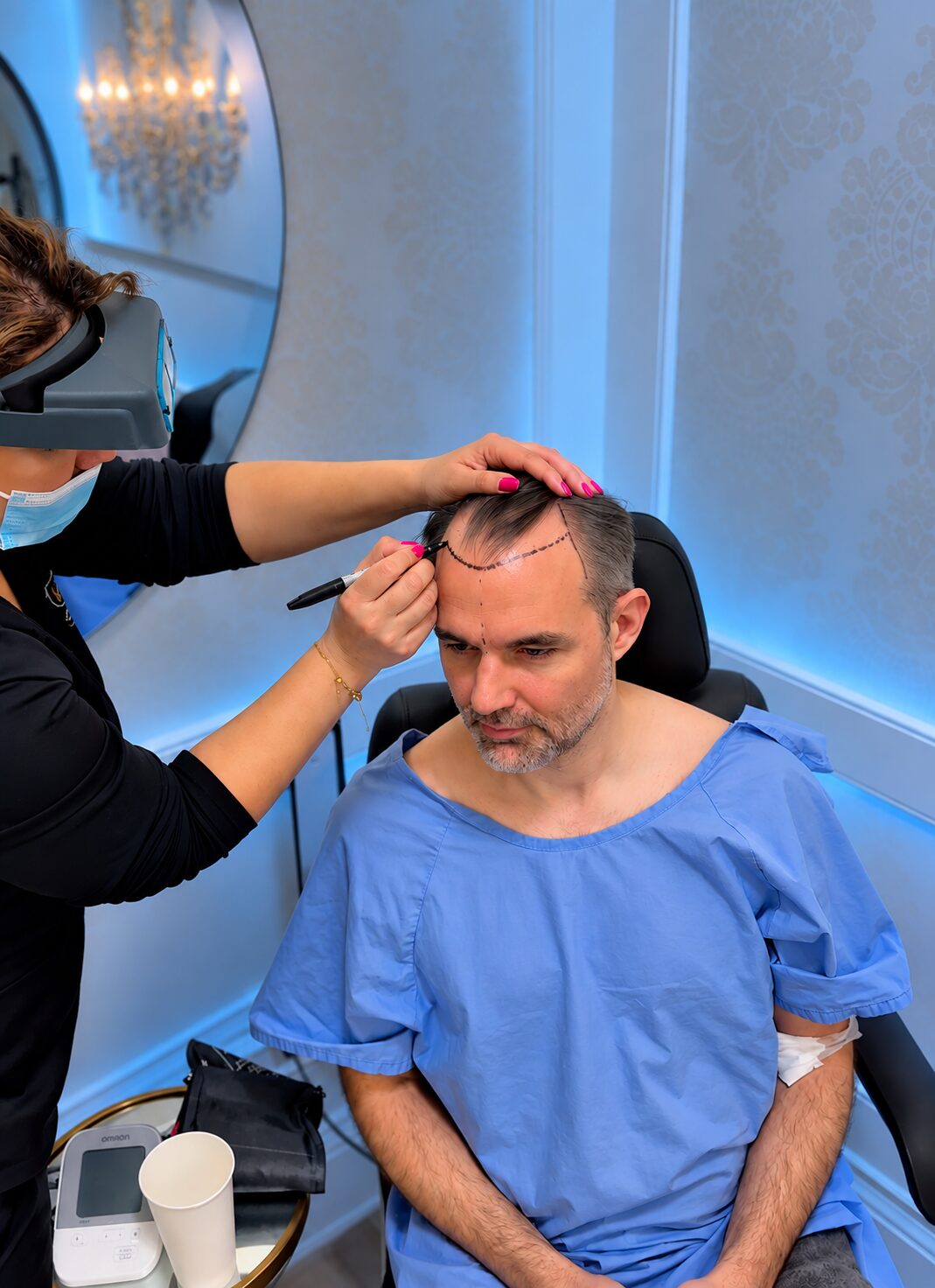
Before & After Gallery
Every result shows the grafts it took and what the same plan costs. Tap one to see your plan.
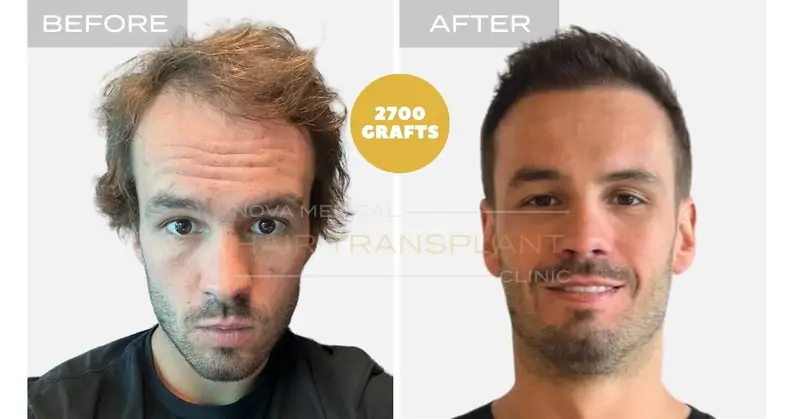
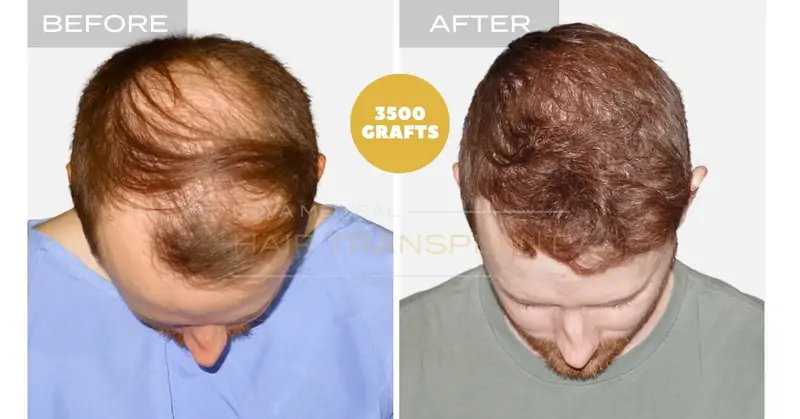
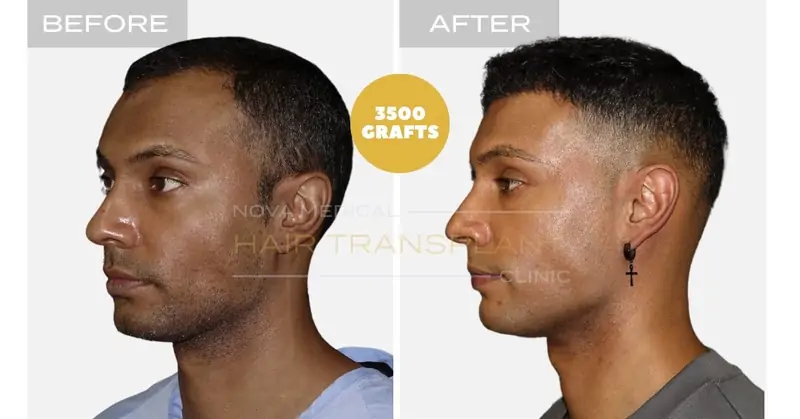
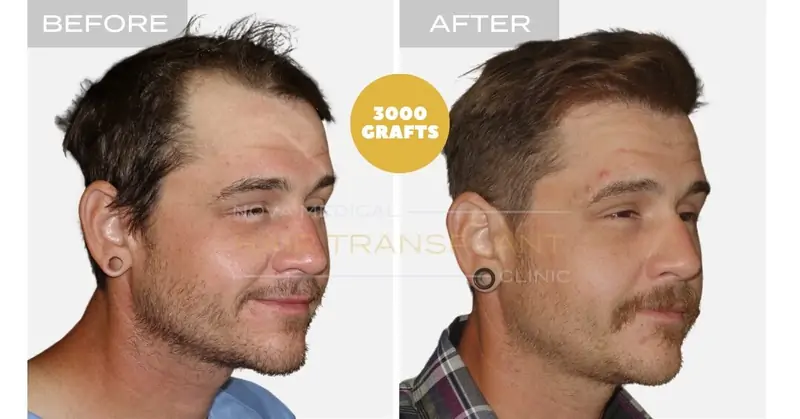
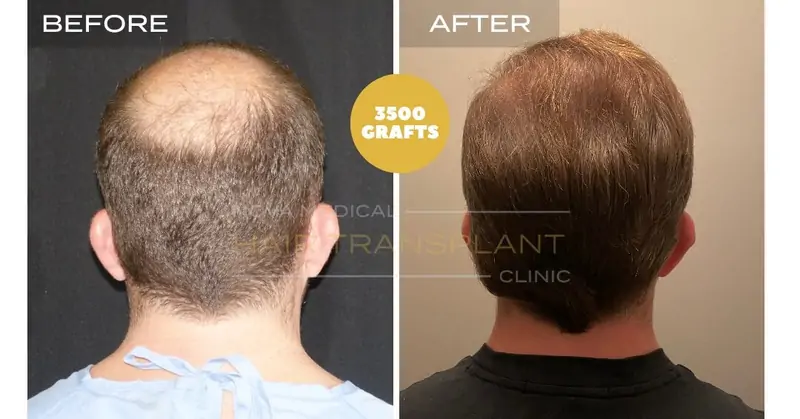

Estimates only - your exact plan and price are confirmed at your free assessment. Monthly payment options available, as low as $270/mo, subject to credit approval. Results vary and are not guaranteed.
Outcome or results shown are not guaranteed and may vary from patient to patient. Cosmetic procedures carry possible risks and complications - always discuss these thoroughly with your surgeon. Images posted with patient consent.
From Surgery Day to Full Growth
No two patients heal on exactly the same clock, yet the stages below hold true for most people treated at our Wisconsin clinic. Use them as a reference point, and call us whenever something looks different from what you expected.
The day after your hair transplant is an important part of the recovery process, and it’s essential to follow your post-care instructions carefully. You may experience some mild swelling or tenderness in the treated areas, but this is normal and should subside in a few days. Avoid touching or scratching the transplanted area to prevent disturbing the grafts. You’ll also want to sleep with your head elevated to reduce any swelling. It’s wise to avoid strenuous activities for at least a few days to allow your scalp to heal.
The first few days following your hair transplant are crucial for ensuring a smooth recovery and the success of the procedure. It’s important to keep your scalp clean by gently rinsing it with a solution recommended by your doctor, typically starting a day or two after the procedure. Avoid washing your hair aggressively or touching the treated areas to prevent dislodging the grafts. During this time, it’s essential to avoid any strenuous activities, including exercise, bending over, or lifting heavy objects. These activities can increase blood flow to the scalp and interfere with the healing process.
By the one-week mark after your hair transplant, most of the initial healing process will be well underway. The swelling and redness you may have experienced in the first few days should have significantly reduced. Scabs will likely have formed around the transplanted grafts and will start to fall off naturally - it’s important not to pick at them to avoid damaging the grafts. Your medical team will likely schedule a follow-up appointment within the first week to check on the progress of your healing.
At this point, you can usually begin to gently wash your hair as instructed by your surgeon. You’ll also notice that the transplanted hair may start to shed, which is entirely normal. This shedding is part of the hair’s natural growth cycle, and new hair will begin to grow in the following months. You can typically resume light daily activities, but it’s still important to avoid any heavy exercise or activities that might strain the scalp.
At the one-month mark following your hair transplant, your scalp should be fully healed from any initial swelling or redness, and the scabs will have completely fallen off. By now, you may notice that much of the transplanted hair has shed - this is a normal part of the process called “shock loss.” While it can be surprising, this shedding is temporary and is a natural stage of hair growth after a transplant. At this point, you can usually return to your regular daily activities, including light exercise. However, it’s still essential to follow any specific aftercare instructions from your medical team, particularly regarding hair care and avoiding harsh treatments.
Around this time, your scalp will be preparing for new hair growth. You might not see visible results just yet, as the new hair typically starts growing in the following months. It’s important to remain patient during this period, as significant results often take time to develop.
By month six the change is usually easy to spot in photos. Many of the new hairs are still thin and light at first, then gain thickness and color over the following weeks, so the overall look tends to get better with each check-in.
Somewhere between month nine and the one-year mark, most patients see the result they came in for: the hairline is filled in, density in the treated zones is close to final, and the small marks from the procedure are hard to find. A few patients keep gaining fullness for several more months. The moved follicles came from areas that resist hair loss, so they are expected to keep growing for the long term. A healthy scalp routine helps the result keep looking good for years.
Your Hair Back?
Book your free assessment in Wisconsin and get a clear plan.
Request a Free Consultation
No obligation • Free assessment
What TO Do
- Follow your surgeon’s instructions: carefully adhere to all aftercare instructions provided by your surgeon, including how to wash and care for your scalp
- Keep your head elevated: sleep with your head elevated for the first few days to minimize swelling
- Stay hydrated and eat a balanced diet: supporting your body with proper nutrition will aid in recovery
- Use gentle hair care products: only use mild shampoos recommended by your expert, and be gentle when washing your scalp
- Take any prescribed tablets on the schedule printed on the label, and finish the whole course
- Keep the written care sheet from our Wisconsin team somewhere you will see it every morning
- Let the small crusts soften in the shower and drop away by themselves
- Attend each follow-up visit so our team can compare photos and confirm the grafts are on track
What NOT To Do
- Avoid touching or scratching your scalp: it’s important to protect the grafts and avoid any irritation to the treated area
- Don’t engage in strenuous activities: avoid exercise, heavy lifting, or anything that increases blood flow to the scalp for at least a week
- Don’t expose your scalp to direct sunlight: keep your scalp protected from the sun during the early healing stages
- Don’t wear tight hats or headgear: avoid wearing anything that could rub against or compress the treated area
- Skip alcohol for the first week, since it can make the small incisions bleed more easily
- Put cigarettes and vaping aside while you heal, because nicotine narrows the vessels that feed the grafts
- Stay out of pools, lakes and hot tubs for about four weeks
- Wait at least six weeks before any dye, perm or relaxer touches the scalp
Your Growth Milestones
A quick look at the five stages most of our patients pass through.
Day 0-14
Grafts Anchor and Settle
Week 2-4
Short-Term Shedding Phase
Month 3-4
New Growth Breaks Through
Month 6-8
Visible Gain in Coverage
Month 9-18
Result Reaches Maturity
Understanding Shock Loss
Between roughly the second and fourth week, a large share of the transplanted hairs tends to fall out. Patients often notice them on the pillow or in the shower. What leaves is the visible hair only. The follicle underneath stays rooted in its new position, which is why this stage is considered routine.
The move from donor to recipient area pushes each follicle into a dormant period. Once that rest is over, usually after three or four months, it begins producing a new hair that is meant to stay. Shedding that arrives on this timetable is reassuring, not worrying.
Medication and Supplements After a Hair Transplant
Discontinue any blood-thinning medications or supplements like ginseng, garlic, omega-3, and anti-inflammatory medications unless advised otherwise by your doctor. These can increase bleeding risk during and after surgery.
Never stop a prescription on your own, though. If a medicine was prescribed for a heart, blood or other condition, we will check with you and, where needed, with the doctor who prescribed it before suggesting any pause.
Bring a complete list to your consultation, including vitamins, herbal products and over-the-counter pain relievers. A full picture lets our team plan a safer procedure day and a smoother recovery.
Important Things to Consider About Recovery
When recovering from a hair transplant at Nova Medical Hair Transplant in Wisconsin, there are a few key factors to keep in mind to ensure a smooth recovery and optimal results:
Post-Procedure Care: During the first few days, it’s essential to follow your surgeon and medical team’s instructions carefully. This includes how to clean your scalp, avoid touching the treated area, and sleep with your head elevated to reduce swelling.
Physical Activity: Avoid strenuous activities or heavy lifting for at least a week after the procedure. Increased blood flow to the scalp from exercise can affect healing and the stability of the grafts.
Hair Shedding: It’s normal for the transplanted hair to shed within the first few weeks. This is part of the hair’s natural cycle and signals that new hair growth will begin soon.
Patience with Results: New hair growth takes time, with noticeable results emerging between 6 to 12 months. Be patient and stick to your post-operative care plan.
If something about your healing worries you, there is no need to wait for your next visit. Call or text (414) 888-6426 to reach our team and book a time to come in. Dr. Richard Parfitt, MD, reviews your progress at follow-up visits, and your aftercare plan can be adjusted to match how your scalp is healing.
How to Prepare for Your Procedure
-
1
Share Your Medication List
Write down every prescription, vitamin and supplement you use and bring it to your assessment, so the team can flag anything to pause before surgery.
-
2
Plan Around Hair Color
If you color your hair, book your last salon visit a week or two before the procedure. After surgery, give the scalp roughly two months and get the go-ahead from our team before using any dye, then choose a mild formula.
-
3
Arrive Clean and Comfortable
Wash your hair the morning of your procedure and leave out styling products. A shirt that buttons or zips at the front saves you from pulling anything over the grafts afterward.
Nova Medical's Board of Surgeons
These physicians help set the care standards behind each recovery plan our Wisconsin patients take home.
Dr. Jeffrey Spiegel
Boston, USA - Facial plastic surgeon and founder of The Spiegel Center, known internationally for his work in facial aesthetics and hair restoration.
Dr. Richard Parfitt
Wisconsin - Dr. Richard Parfitt, MD oversees the Wisconsin clinics, bringing more than 25 years of experience focused on the face and a medical degree from the University of Wisconsin-Madison.
Dr. Adam Rubinstein
Florida, USA - Plastic surgeon certified by the American Board of Plastic Surgery, with advanced training in aesthetic plastic surgery.