
Hair Transplant Clinic Wisconsin
Hair Transplant Overview
At Nova Medical Hair Transplant in Wisconsin, we offer advanced hair restoration solutions for men and women experiencing hair loss. Using state-of-the-art techniques such as Follicular Unit Extraction (FUE), we provide natural-looking, long-lasting results.
At our hair transplant clinic Wisconsin, our procedures involve transplanting healthy hair follicles from a donor area to areas affected by thinning or balding. Whether due to genetics, aging, or medical conditions, hair transplants can help restore hair density and boost confidence. That said, our experienced team customizes each treatment to meet your specific needs, so the result fits you. Schedule a consultation today to learn how our hair transplant clinic Wisconsin can transform your look.
From cutting-edge hair restoration techniques like FUE and FUT to detailed guidance on pre- and post-procedure care, we’re here to provide everything you need to know. Whether you’re wondering about the procedure, what to expect during recovery, or exploring your options for treating hair loss, this page is your comprehensive guide on everything you need to know about services we provide at our hair transplant clinic Wisconsin.
Join us as we dive into the world of hair transplants, offering expert advice, valuable insights, and answers to all your questions. Your journey to restoring your hair starts here!
Patients from across Wisconsin are seen at our Wisconsin clinic. Plans range from a modest hairline refresh to a discreet celebrity hair transplant Wisconsin service.
Curious how it went for others? Read what Wisconsin patients say about their consultation, procedure day and the months of regrowth that followed.
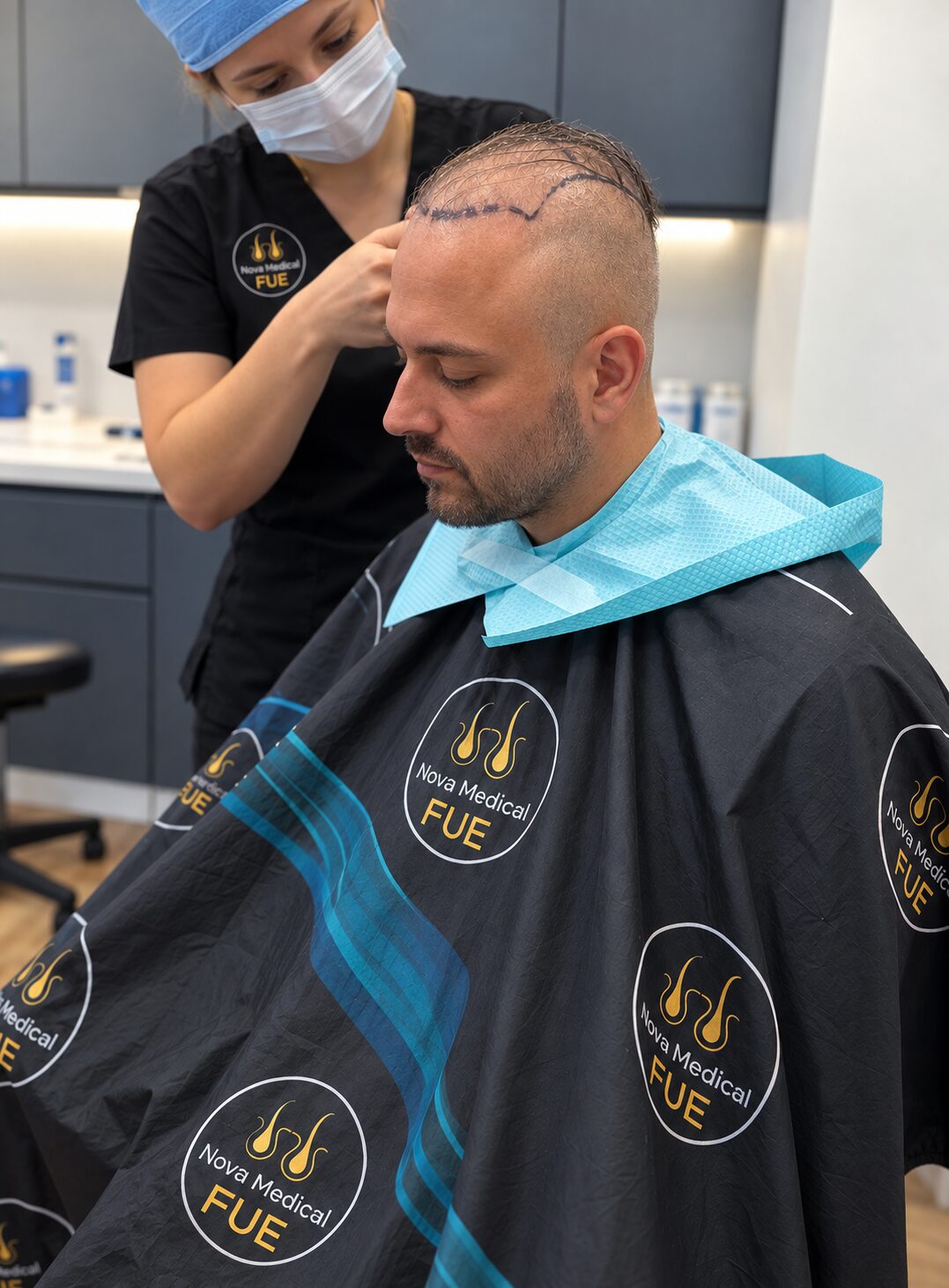
Your Overview: Hair Transplant Process
From the first assessment to the finished result, here is how a Wisconsin hair transplant unfolds
Beginning the process of getting a procedure at our hair transplant clinic Wisconsin is a life-changing experience that has the potential to substantially improve both your appearance and your sense of confidence. Here’s what you can expect:
Consultation and Planning
The first step in a hair transplant journey is a detailed consultation with a qualified medical expert. During this consultation, they will assess the extent of hair loss, evaluate the donor area, and discuss the patient’s goals. Based on this assessment, a personalized treatment plan is created, which may involve either FUE, FUT, or a combination of both techniques. The specialist will also explain the expected results, potential risks, and recovery timeline to ensure the patient has realistic expectations.
At that first visit, Dr. Richard Parfitt, MD reviews the proposed graft count, technique and hairline before a procedure date is confirmed.
The Procedure
On the day of the procedure, local anesthesia is administered to numb the donor and recipient areas. This ensures that the patient remains comfortable throughout the surgery. In an FUE procedure, individual hair follicles are carefully extracted using a tiny punch tool, leaving minimal scarring and allowing for a faster recovery. In a FUT procedure, a strip of scalp is removed from the donor area, and the follicles are harvested from this strip. The surgical team then meticulously implants the harvested follicles into the thinning or balding areas, taking care to match the angle, direction, and density of the surrounding hair for a natural appearance.
The entire procedure can take several hours, depending on the number of grafts required. Patients can relax during the surgery, watching TV, reading, or resting.
Recovery and Results
Recovery from a hair transplant is relatively straightforward. Patients can usually return to light activities within a few days but should avoid strenuous exercise for a week or two. There may be some mild swelling or redness around the donor and recipient areas, but this typically subsides within a week.
In the first few weeks, it’s normal for the transplanted hair to shed - this is part of the natural growth cycle. New hair growth typically begins three to four months after the procedure, with full results visible within 9 to 12 months. The transplanted hair will continue to grow naturally and permanently, providing long-lasting results especially if performed at our hair transplant clinic Wisconsin.
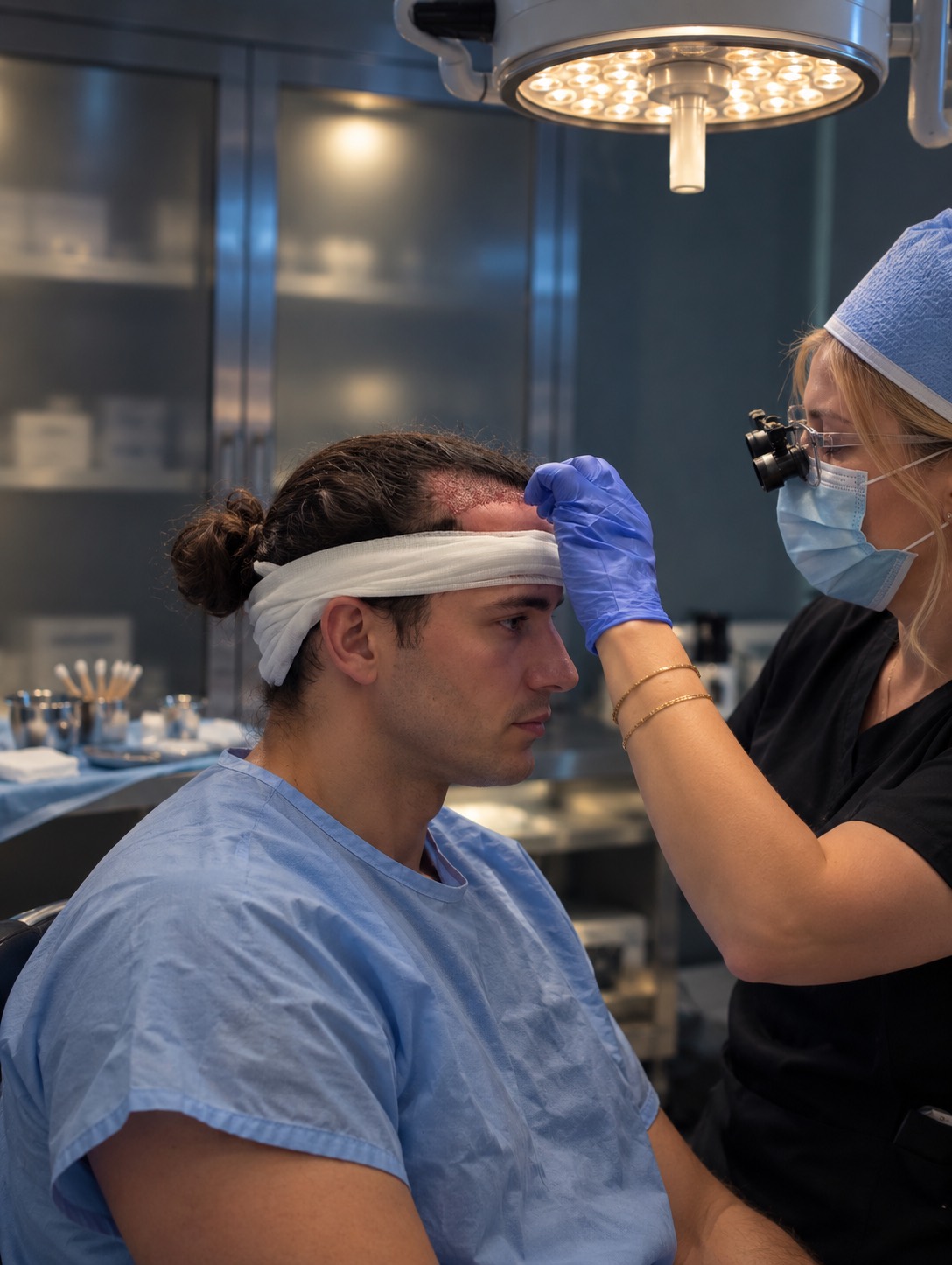
Why Do People Choose to Get a Hair Transplant Procedure Done?
Permanent Solution to Hair Loss. One of the primary reasons people opt for a hair transplant is because it offers a permanent solution. Unlike temporary fixes such as wigs, hairpieces, or topical treatments, hair transplants use your own hair follicles, which continue to grow naturally after the procedure. This long-lasting result is a key motivator for individuals looking to invest in a one-time procedure that yields lifelong benefits.
Natural-Looking Results. With advancements in techniques like Follicular Unit Extraction (FUE) and Follicular Unit Transplantation (FUT), hair transplants provide natural-looking results. Surgeons can meticulously place individual hair follicles to match the patient’s natural hair growth pattern, density, and direction. This ensures a seamless blend with existing hair, making the results virtually undetectable.
Boosting Confidence. Hair loss can lead to emotional distress, causing people to feel self-conscious about their appearance. A hair transplant helps restore not only the hair but also self-confidence. Many people report feeling more youthful and attractive after the procedure, which can positively impact both personal and professional aspects of their lives.
Addressing Genetic or Medical Hair Loss. For individuals who experience hair loss due to genetics (male or female pattern baldness), hormonal changes, or medical conditions like alopecia, a hair transplant can provide an effective treatment. It is a customized solution that directly addresses the underlying cause of hair thinning or balding.
Manageable Downtime. The surgery is minimally invasive, and recovery tends to be easier than first-time patients expect. A few quiet days at home are usually enough before going back to desk work, and the stages that follow are laid out further down this page.
Before & After Gallery
Every result shows the grafts it took and what the same plan costs. Tap one to see your plan.
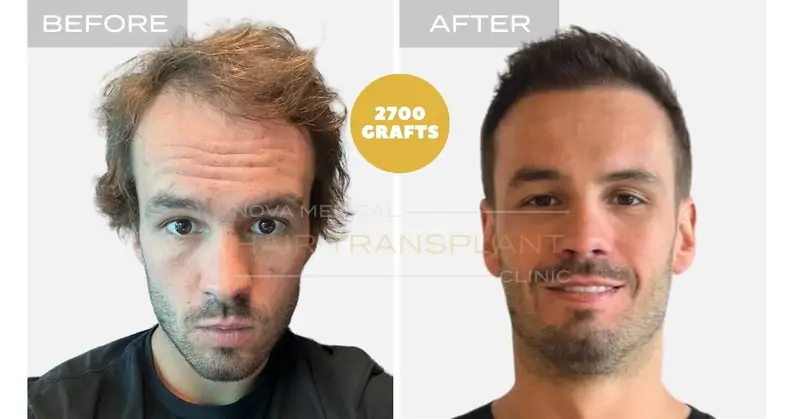
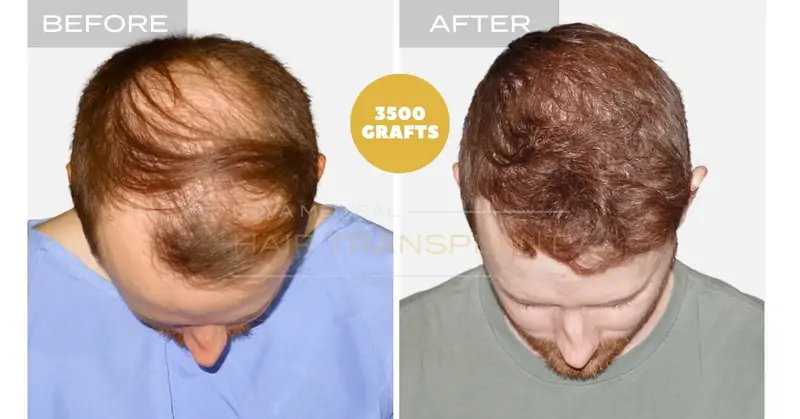
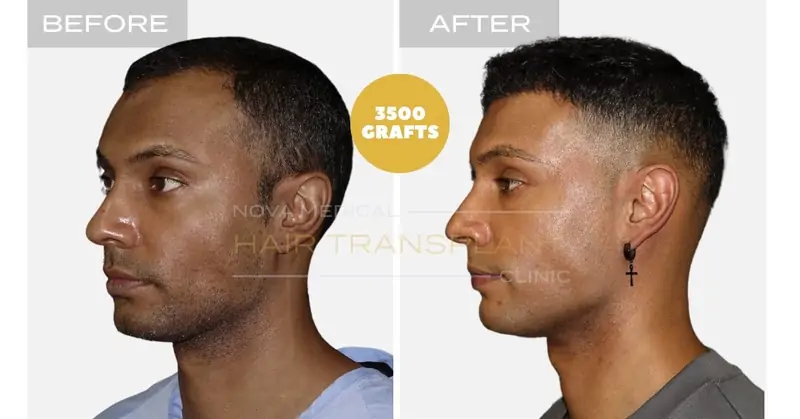
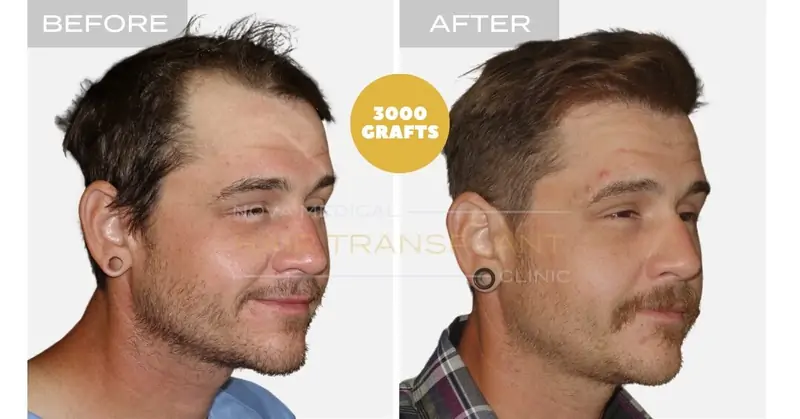
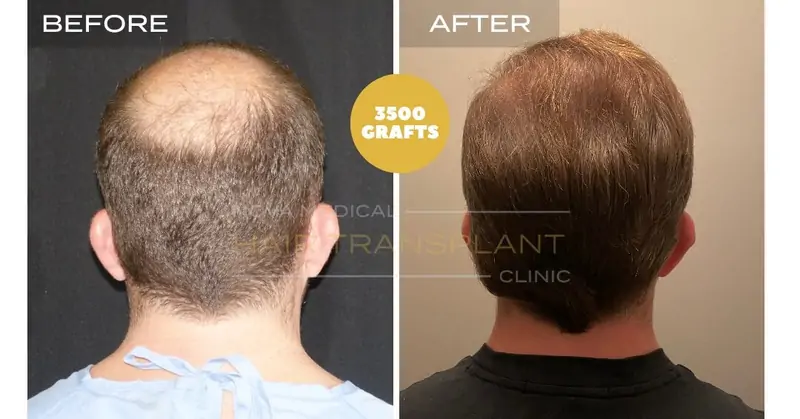

Estimates only - your exact plan and price are confirmed at your free assessment. Monthly payment options available, as low as $270/mo, subject to credit approval. Results vary and are not guaranteed.
Disclaimer: Outcome or results shown are not guaranteed and may vary from patient to patient. Cosmetic procedures are associated with possible risks and complications, always have a thorough discussion with your surgeon. Images posted with consent.
What is DHI?
Direct Hair Implantation (DHI) is a form of FUE that keeps the same one-at-a-time harvest but changes the way each graft goes back into the scalp.
Rather than making every recipient opening in advance, the team loads each follicle into a hollow, pen-like implanter. Pressing the pen into the skin creates the site and deposits the graft in a single movement, which allows close control of depth and angle.
People who favor DHI tend to mention that grafts spend less time outside the body and are handled fewer times. How much those details matter comes down to the size of the area, your hair type and the density you are aiming for.
The tool is only part of the story. Planning, graft care and the experience of the team carry more weight, so if DHI interests you, ask about it at your consultation in Wisconsin and we will compare it with the plan suggested for you.
How DHI Works
It begins with the same assessment as any other transplant: donor density, the pattern of thinning and the outcome you have in mind.
On procedure day the treatment zones are numbed, follicles are removed individually, and each one is passed into an implanter and set into the thinning area, so harvesting and placement move along together.
Aftercare and growth match standard FUE. Tiny crusts fall away during the first two weeks, sprouting usually starts after a few months, and the final look fills in over roughly a year, with check-ins at the clinic along the way.
DHI vs. FUE
Because DHI and FUE (Follicular Unit Extraction) remove grafts in the same way, the real difference between them lies in how those grafts are implanted.
With conventional FUE, the openings are made across the whole area before any graft goes in. It is a versatile, well-documented approach that leaves only small dot scars at the back, a good fit for anyone who wants a discreet result and a fast return to normal life.
DHI folds those two steps into one with the implanter. That can help with tight packing along the hairline, though sessions often run longer and rely heavily on the handling skills of the team.
There is no single right answer. At Nova Medical Hair Transplant Wisconsin, the choice is made after your assessment, based on donor supply, hair characteristics and goals, and Dr. Richard Parfitt, MD reviews the final plan.

What is FUE?
Follicular Unit Extraction also known as FUE is a modern and minimally invasive hair transplant technique used to restore hair by individually extracting hair follicles from a donor area, typically the back or sides of the scalp. These follicles are then carefully implanted into thinning or balding areas to create a natural-looking hairline and increase hair density.
FUE has gained popularity due to its precision and the fact that it leaves no visible linear scarring. Instead of removing a strip of scalp, as is done in the older FUT method, FUE uses a tiny punch tool to extract follicles one by one. This results in a quicker recovery time, less discomfort, and the ability to wear short hairstyles without worrying about noticeable scars.
The procedure is carried out in our hair transplant clinic Wisconsin under local anesthesia, ensuring patient comfort throughout. Because each follicle is extracted and placed individually, the surgical team can control the angle, depth, and placement of the grafts, allowing for a more natural hairline and seamless integration with the existing hair.
FUE is suitable for both men and women experiencing hair loss and offers long-lasting, permanent results. Whether for restoring a receding hairline, filling in thinning areas, or even eyebrow or beard transplants, FUE is a versatile and effective solution for hair restoration.
What is FUT?
Follicular Unit Transplantation or known as FUT is a hair restoration technique where a strip of scalp is removed from the donor area, typically the back of the head, to harvest healthy hair follicles. These follicles are then transplanted into thinning or balding areas of the scalp to restore hair density and create a natural-looking hairline.
In an FUT procedure carried out at our hair transplant clinic Wisconsin, the surgical team first removes a thin strip of skin from the donor area. The area is then sutured, leaving a linear scar that can be concealed by surrounding hair. The strip is carefully dissected under a microscope to isolate individual follicular units, which typically contain 1 to 4 hairs each. These units are then meticulously implanted into the recipient area, with attention given to the angle, depth, and placement of each graft to ensure natural growth and seamless blending with existing hair.
FUT is particularly beneficial for patients who need a large number of grafts, as it allows for the harvesting of more follicles in a single session compared to other methods like FUE. While the procedure results in a linear scar, it is generally hidden under hair and provides long-lasting, permanent results.
FUT is an effective solution for individuals with extensive hair loss, offering a natural and permanent way to restore their hair and confidence.
Need more information about either of these techniques?
But your hair can be
Permanent growth from your own donor hair, planned at our Wisconsin clinic.
Request a Free Consultation
No obligation • Free assessment
Hair Transplant Procedure Overview
~2 minutes readMost Wisconsin patients start the same way: a free assessment at our Wisconsin clinic, or a set of photos sent in first. Call or text (414) 888-6426 to book a time that suits you.
That first visit is unhurried. You talk through when the thinning started, what you have already tried and the look you are hoping for, while the team studies both the area you want treated and the donor zone at the back and sides.
Bring your history along. A list of medications, supplements and topical products is useful, and if you have had surgery elsewhere, let us look at the earlier transplant so the new plan works with it rather than against it.
Your scalp is then checked under magnification. Hair caliber, curl, the contrast between hair and skin color, and donor density are all recorded, because together they decide how many grafts can be moved safely and how full the treated area will look.
If a transplant suits you, you leave with a written estimate covering graft numbers, technique and price. Procedure days begin in the morning, and on arrival you change into comfortable clothing and go over the schedule once more.
The hairline is then drawn on your scalp while you watch in a mirror. You are free to ask for changes, and photos are taken from several angles so progress can be compared at later visits.
For FUE the whole donor area is clipped short; for FUT only the narrow band where the strip will come from is trimmed. Local anesthetic then numbs the donor and recipient zones, and from that point most patients feel pressure rather than pain.
Harvesting comes next. With FUE, grafts come out one at a time through tiny circular openings; with FUT, a single strip is lifted out, the edges are closed, and the strip is divided into units under a microscope.
Every graft is counted and grouped by how many hairs it holds, then kept cool and hydrated until placement. Single-hair units are set aside for the very front, while fuller units are saved for the area behind it.
The harvest happens while you lie face down. Plenty of people bring headphones, and some simply sleep through it.
Nobody expects you to stay still for hours on end. Say the word and the team will stop so you can get up, stretch your legs or grab something to eat.
Before implantation begins, grafts are inspected under magnification once more so that only intact units are used.
Placement follows the map drawn earlier. Each recipient site is angled to match the direction your native hair grows, with lighter spacing at the leading edge and closer spacing wherever coverage counts most.
You sit upright while grafts go in, so watching a show or chatting with staff is easy. Afterward you receive written aftercare and a follow-up schedule, and you can browse our before and after gallery to see how other patients’ results developed.
Hair Transplant Recovery & Hair Growth
Recovering from a procedure at hair transplant clinic Wisconsin is a vital part of achieving optimal results. While the timeline may vary for each patient, the recovery process generally follows a predictable pattern, and proper care supports a good outcome.
Immediate Recovery (First Week): In the first few days after your procedure, it’s normal to experience mild swelling, redness, and some discomfort in both the donor and recipient areas. These symptoms typically subside within a week. Scabs may form around the newly transplanted hair follicles, and it’s crucial not to pick or scratch at them to avoid disrupting the healing process. During this time, you’ll receive detailed aftercare instructions, including how to clean and care for your scalp and avoid strenuous activities.
Shedding Phase (2-3 Weeks): Around two to three weeks after the transplant, the transplanted hair may start to shed. This is a normal part of the healing process called “shock loss.” While it might be alarming, it’s important to know that this phase is temporary and marks the beginning of new hair growth.
New Hair Growth (3-4 Months): Three to four months post-procedure, new hair growth begins to emerge. At first, the new hair may be fine and thin, but it will gradually thicken over the following months. You’ll start to notice significant improvements in density and fullness.
Full Results (9-12 Months): By 9 to 12 months after your hair transplant, you will see the final results. The transplanted hair will have fully grown, blending seamlessly with your natural hair and providing a fuller, more natural look.
With proper care and patience, our hair transplant clinic Wisconsin offers long-lasting results, allowing you to regain both your hair and your confidence.
Looking After Your Hair in the Years That Follow
Long after the grafts have settled, a mild routine still pays off. A sulfate-free shampoo, going easy on bleach and relaxers, and a hat for long summer days outdoors all help the scalp stay healthy. Some patients add PRP sessions to support the native hair around the transplant.
A periodic check-in at our Wisconsin clinic lets the team compare new photos with your original baseline and catch fresh thinning early.
General health matters too. Enough protein, iron and sleep, plus staying off cigarettes, supports the follicles you were born with as well as the ones that were moved.
