
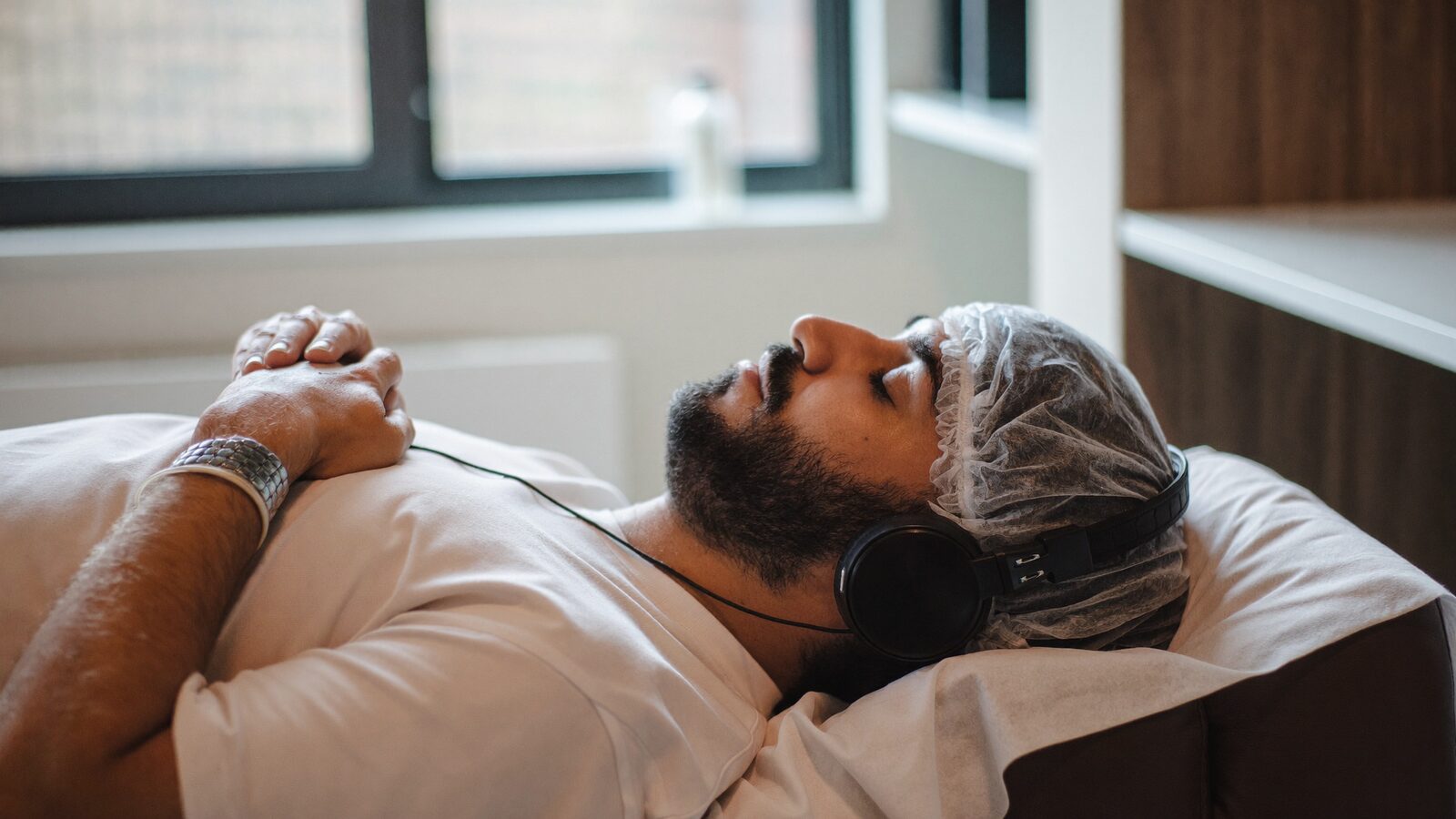
Does a hair transplant hurt? For most patients, the only clearly painful part is the first few minutes of numbing injections. Once local anesthesia takes effect, the procedure itself usually feels like pressure and light tugging, not pain, and the soreness afterward is typically mild, peaking on the first night and fading over three to five days.
Fear of pain keeps a lot of people from booking a consultation, so this guide walks through exactly what you feel, and when, from the first injection to the end of the first week. At Nova Medical Hair Transplant Wisconsin, procedures are done under local anesthesia only, with no general anesthesia, and you go home the same day. The FUE hair transplant page explains the technique, and this post focuses on how it feels.
Key takeaways
- The numbing injections at the start are the most uncomfortable part of a hair transplant for most patients, and they last only a few minutes per area.
- After the scalp is numb, extraction and placement usually feel like pressure or vibration rather than pain.
- Post-operative soreness is typically mild to moderate, strongest the first night and mostly gone by day five.
- FUT, the strip method, usually causes more donor-area tightness and soreness than FUE.
- Over-the-counter or prescribed pain relief, sleeping with the head raised and following aftercare instructions keep most patients comfortable.
Does a hair transplant hurt during the procedure?
A hair transplant does not usually hurt during the procedure itself, because local anesthesia fully numbs the donor and recipient areas before any work starts. Most patients feel pressure, mild pulling and a sense of activity on the scalp, but not sharp pain. If sensation returns during a long day, the team adds more anesthetic.
A typical day runs for several hours. Grafts are first extracted from the back and sides of the scalp, then tiny openings are made in the thinning area, and the grafts are placed into them. Throughout, the areas being worked on stay numb, so what you notice is mostly your position in the chair and the passage of time.
Here is how each stage usually feels:
- Donor extraction: With FUE, follicular unit extraction, grafts are removed one at a time with a fine handheld instrument. Patients describe a light tapping or pressure.
- Recipient sites: Making the small openings where grafts go can feel like faint pressure across the top of the head.
- Graft placement: Placing grafts, whether with forceps or an implanter pen, is usually the least noticeable stage.
- Breaks: Pauses to eat, stretch and use the restroom are normal on a long day.
The numbing step: what it feels like
The numbing step of a hair transplant feels like a series of small pinches and a brief stinging or burning sensation as the local anesthetic spreads under the skin. It is the part most patients remember, but it usually lasts only a few minutes per area. Once the first area goes numb, later injections in that zone are barely felt.
Local anesthesia is injected into the donor area first and then into the recipient area. The sting comes from the anesthetic itself as it enters the tissue, and it fades quickly as the numbness builds. Many patients rate the overall feeling as similar to a dental visit, spread over a larger area.
A few things make this step easier:
- Slow injection: Injecting gradually reduces the stinging sensation.
- Starting in less sensitive areas: Working from the back of the head first lets you settle in before the front is numbed.
- Steady breathing: Slow breaths help the muscles of the scalp and neck stay relaxed.
- Talking through it: Knowing what is coming next, and when it will end, takes much of the tension out of the moment.
Tell the team: If you feel anything sharp at any point during the day, say so. Topping up the local anesthetic takes a moment, and there is no reason to sit through pain you do not need to feel.
Pain after a hair transplant: night one to day five
Pain after a hair transplant is usually mild to moderate and follows a predictable curve. Soreness is strongest on the first night, when the anesthesia wears off, then eases each day. By day three most patients describe tightness more than pain, and by day five discomfort is minor. The table below shows the typical pattern.
| Timing | Donor area (back and sides) | Recipient area (top and front) | Typical relief |
| Night one | Soreness and aching as numbness fades | Mild tenderness, sense of tightness | Pain relief as instructed, head raised |
| Day two | Aching, tender when touched | Tightness, possible swelling on the forehead | Continued pain relief, gentle rest |
| Day three | Soreness easing | Swelling may peak, little pain | Often only occasional pain relief |
| Day four | Mild tenderness | Itching may begin as scabs form | Most patients need little or none |
| Day five | Minor discomfort | Itching, minimal pain | Usually none |
Everyone is different, and some patients feel almost nothing after day one, while others notice aching a little longer. Swelling can drift down to the forehead around days two to four, and it is a normal part of healing, not a sign of a problem. Wound care, washing and the full day-by-day recovery schedule are covered on our hair transplant recovery page.
If pain gets worse after the third day instead of better, or comes with spreading redness, heat or discharge, call the clinic. Those signs are uncommon, but they need a check. Our guide to hair transplant risks and side effects explains what is normal and what is not.
FUE vs FUT: which is more uncomfortable?
FUT is usually more uncomfortable than FUE after surgery, because FUT removes a strip of scalp from the back of the head and closes the wound with stitches, which creates tightness and soreness that can last one to two weeks. FUE leaves many tiny dots that typically heal within days, so donor discomfort is shorter.
During the procedure, both techniques are done under local anesthesia, so the day itself feels similar. The difference shows up afterward, mainly in the donor area:
| Factor | FUE | FUT |
| Donor wound | Many tiny round openings | One linear incision closed with stitches |
| Donor soreness | Usually mild, a few days | Tightness and aching, often one to two weeks |
| Sleeping on the back of the head | Comfortable within a few days | Can stay tender for longer |
| Recipient area | Similar for both | Similar for both |
| Stitch removal | Not needed | Usually needed, around 10 to 14 days |
FUT still has a place. It can be a good option for patients who want to keep their hair long at the back or need a large number of grafts, and the FUT hair transplant page explains when it is recommended. Discomfort is one factor in the choice, alongside scarring and donor supply.
Does the donor area or the recipient area hurt more?
The donor area usually hurts more than the recipient area after a hair transplant. The back and sides of the scalp are where grafts are removed, so that is where most aching and tenderness appear. The recipient area on top tends to feel tight and slightly swollen rather than painful, and later it mainly itches.
This surprises many patients, who expect the newly transplanted area to be the sore one. In practice, the recipient openings are very small and shallow. The donor area, especially if many grafts were taken, simply has more healing to do. Lying on a soft pillow and avoiding pressure on the back of the head in the first nights helps.
How we keep you comfortable on surgery day
We keep patients comfortable on surgery day by using local anesthesia carefully, checking in throughout the procedure, topping up numbing as soon as sensation returns and building in regular breaks. Clear explanations before each step matter too, because knowing what comes next removes much of the anxiety that makes discomfort feel worse.
Practical steps you can take on your side:
- Eat a normal breakfast: Unless told otherwise, arrive having eaten so you feel steady through a long day.
- Wear a button-up shirt: You will not need to pull anything over your head afterward.
- Bring something to pass the time: Music or a podcast with headphones helps the hours move faster.
- Plan your ride home: Having someone drive you lets you rest straight away.
- Prepare your pillows: Sleeping with the head raised for the first few nights reduces swelling and pressure.
- Follow medication advice: Take pain relief as directed and ask before using anything that may thin the blood.
Every plan is reviewed by Dr. Richard Parfitt, MD, who oversees the procedure, and the surgical team checks on your comfort throughout. If you are worried about pain, raise it at your free consultation at our Wisconsin clinic, so we can talk through your concerns before the day.
How soon can you return to normal activity?
Most patients return to light, everyday activity within two to three days of a hair transplant, once the first-night soreness has passed. Desk work is often possible after a few days, while heavy exercise and contact sports are usually paused for around two weeks. Discomfort is rarely the limiting factor after day five.
The bigger concern in the first week is protecting the grafts, not managing pain. Our guide on time off work after a hair transplant explains how to plan your schedule. To book a free consultation, call or text (414) 888-6426.
Ask Us About Comfort on Surgery Day
Book a free consultation at our Wisconsin clinic. We will walk you through every step of the day, including how numbing and aftercare are handled.