
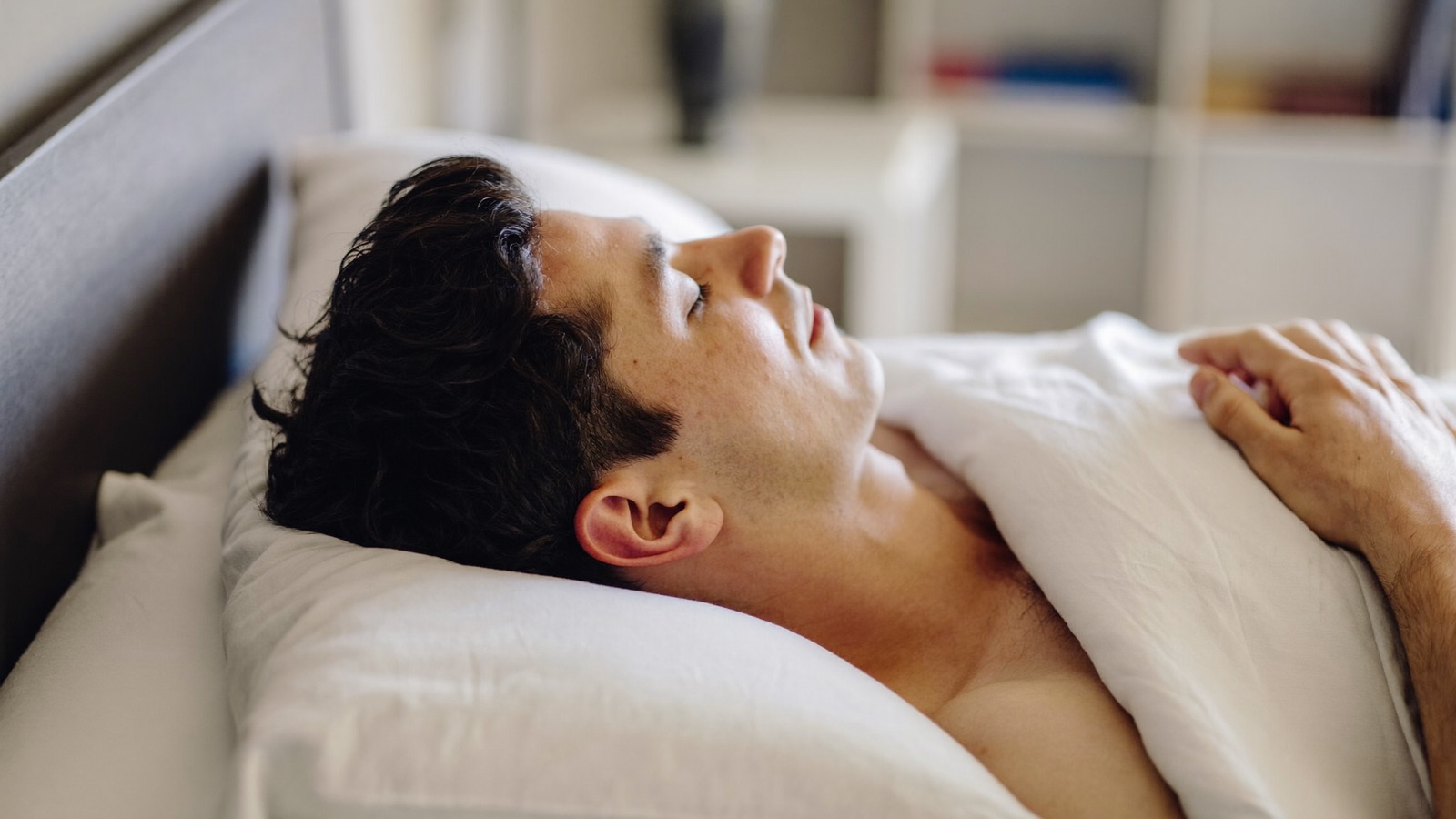
Knowing how to sleep after a hair transplant matters more than most people expect, and in a Wisconsin winter the bedroom itself adds a few problems that summer patients never meet. The furnace runs all night, the air turns dry, flannel sheets and heavy quilts come out, and the instinct is to pull on a warm hat before bed. Each of those habits can rub, dry or press on grafts that are still settling in. Our hair transplant recovery in Wisconsin page sets out the main aftercare rules, including sleeping with your head elevated to keep swelling down. This guide looks at the nights themselves: how to set up a heated bedroom, what to wear on your head, how to handle a partner, a pet or a CPAP mask, and what a short night-by-night plan looks like.
One point first. The written aftercare sheet you take home from our Middleton clinic is the rule that counts. Where this article and that sheet differ, follow the sheet, because it is written for your own plan, graft count and treated areas.
The Short Version for Your First Two Weeks of Nights
If you only remember a handful of things, make it these. Most of the rest of this guide explains the reasons behind them and how to make them work in a cold-weather home.
- Keep your head raised. Our day-by-day recovery guide describes propping yourself up at roughly a 45-degree angle, or using a recliner, in the first nights. How many nights you keep this up is on your aftercare sheet.
- Stay on your back. Facing the ceiling keeps the hairline and the top of the scalp away from fabric.
- Nothing on your head unless the clinic says so. Knit hats, beanies and hoodie hoods all press and rub.
- Put moisture back in the air. A clean humidifier makes dry winter nights easier on an itchy, crusting scalp.
- Clear the bed. Partners who sprawl, children who climb in and pets who sleep on pillows all need a temporary new arrangement.
Why a Heated Winter Bedroom Is Hard on New Grafts
Forced-air heating is the norm in many Wisconsin homes, and it pulls moisture out of the air hour after hour. Indoor air on a January night can feel as dry as a desert, and anyone who wakes with a sore throat or cracked lips in winter already knows the effect. A freshly treated scalp feels it too. The small crusts that form around each graft in the first week can harden and tighten in dry air, and a tight, dry scalp tends to itch more. Itch at night is the problem, because people scratch in their sleep without knowing it.
Warm bedding adds a second issue. Heavy quilts, fleece throws and electric blankets make it more likely that you sweat during the night, and a warm, damp scalp is more irritable than a cool one. Flannel and brushed cotton also have a raised, fuzzy surface that grips more than a smooth weave, which matters if any part of your head brushes the pillow.
None of this is dangerous on its own. It simply means the winter version of a recovery bedroom needs a little more thought than turning the thermostat up and climbing under every blanket you own.
Setting Up the Room: Humidity, Heat and Bedding
The day before your procedure is the right time to set the room up, while you still have the energy and before the numbing wears off.
Humidity
A cool-mist humidifier placed a few feet from the bed is the single most useful winter purchase for recovery. Clean it and fill it with fresh water before you start using it, and empty and dry it as the maker recommends, because a neglected tank can grow mold. Keep it pointed away from your head rather than misting straight onto the scalp. If you notice condensation running down the windows in the morning, the room is wetter than it needs to be and the setting can come down.
Temperature
Aim for a room that is cool and comfortable rather than warm. Lowering the bedroom thermostat slightly and using a lighter layer of bedding usually works better than a hot room and a thin sheet, because you are less likely to wake up sweating. If you use an electric blanket, keep it below chest height and on a low setting, and do not let it near your head or neck.
Bedding
Put a clean, smooth pillowcase on the pillow you will lean against, ideally a dark one so any spots of fluid are easy to see and easy to live with. Lay an old towel over the pillow for the first night or two, since a small amount of seepage from the donor area is common early on. Keep flannel and fleece for the lower half of the bed, away from your head. If you are sleeping in a recliner, a lightweight throw over the legs keeps you warm without anything coming near the scalp.
A note on space heaters: a small heater pointed at the bed is a common winter habit, but blowing warm air across the head dries the scalp and can make you sweat. If you use one, keep it well away from the bed and angled toward the room, and never leave it running unattended near bedding.
Hats, Hoods and Keeping Your Head Warm at Night
This is where Wisconsin patients most often go wrong, and it comes from a good instinct. A cold head is uncomfortable, especially if the front of the scalp has been shaved, and pulling on a beanie feels like common sense. In the early nights it is not a good idea. A knit hat sits directly on the recipient area, shifts every time you move your head and can catch on crusts when you take it off in the morning. Hoodie hoods do the same thing more loosely, which arguably makes them worse, since they slide back and forth all night.
Warm the room instead of the head. A slightly warmer thermostat setting, a robe or a fleece top with no hood and a warm layer on your shoulders and neck will keep you comfortable without touching the grafts. Most people find the scalp feels less cold than they feared once it is no longer exposed to drafts.
The clinic will tell you when a loose, clean hat is allowed during the day for the trip home or for errands, and that timing is on your aftercare sheet. Nighttime is a separate question. Even once a hat is fine outdoors, there is little reason to sleep in one. If a draft from a window or vent bothers you, move the bed or block the draft rather than covering your head. Our guide to what happens if you skip post-op instructions explains why early hat use and sleeping flat are two of the habits most worth avoiding.
A Short Night-by-Night Plan
The table below is a simple outline rather than a schedule to the day. Healing speed varies from person to person, and your written instructions decide when each step changes. For the full daytime routine, including washing and activity, see our hair transplant recovery day by day guide.
| Nights | Position | Winter bedroom focus |
| Night of surgery | Head raised on your back, or in a recliner | Towel over the pillow, humidifier on, no hat or hood |
| Nights 1 to 2 | Head raised, on your back | Cool room, light bedding near the head, check the pillow each morning |
| Nights 3 to 7 | Head raised for as long as your sheet says | Keep humidity up as crusts form, short nails for night itching |
| Week 2 | Gradual return toward usual positions once the clinic agrees | Pets and partners back in stages, still no sleeping in a hat |
A common question is when side sleeping is fine again. It depends on where the grafts are. Someone with grafts only along the hairline may be cleared to turn sooner than someone with work at the crown or the sides. Ask at your follow-up rather than guessing from a general timeline.
Sharing a Bed With a Partner, Children or Pets
Long winter nights mean more time in bed together, and a sleeping partner is rarely aware of how close an elbow or an arm comes to your head. For the first nights many couples find it easiest to sleep apart, with the patient in a recliner or the guest room. If that is not possible, sleep on the side of the bed furthest from your partner and place a firm pillow between you as a barrier. Ask your partner to avoid reaching across you in the dark.
Children who climb into bed at night are a real risk to a fresh hairline, mostly because small hands go straight for the head. A simple explanation and a closed door for the first week help.
Pets are often the trickiest. Cats in particular look for the warmest spot in a winter house, and that is frequently a pillow next to a human head. Dogs that sleep on the bed can shift around and brush against your face. Keep pets out of the bedroom for the first nights, and wash your hands after handling them before you touch anything near your scalp. Pet hair and dander on a pillowcase near open graft sites is better avoided. Once crusts have cleared and the clinic is happy with healing, pets can usually return.
CPAP Masks, Snoring and Night-Time Gear
Many adults use a CPAP machine for sleep apnea, and the straps and headgear on most masks run over the back and sides of the head. That can mean pressure across the donor area, and with some designs near the crown. Mention a CPAP at your consultation so the team can look at where your straps sit before the day of surgery.
Do not stop using your CPAP to protect the grafts unless the doctor who manages your sleep apnea agrees. Untreated apnea carries its own risks, and in most cases the headgear can be adjusted, loosened slightly or padded with something soft and clean. Some people switch to a different mask style for a period, which is a conversation for your sleep doctor or equipment supplier. Raised sleep can also make some masks sit differently, so try the setup in your recliner or on your pillows before the procedure.
The same idea applies to other night-time gear. Sleep masks with an elastic band, earbuds, headphones and bands for snoring all touch the head. Check each one with the clinic before using it in the first nights.
Travel Pillows, Wedges and Recliners
A U-shaped travel pillow worn around the neck is one of the simplest tools for these nights. It holds your head in the middle and stops it rolling sideways when you fall asleep sitting up. Pick one with a smooth cover, and wear it with the opening at the front so the padding supports the sides and back of your neck rather than pushing against the donor area.
A foam wedge under the pillows is steadier than a pile of loose pillows, which tend to slide apart during the night and leave you lower than you started. A recliner is an option many patients like, because the angle stays fixed and turning over is harder. In winter, check the recliner is not next to a cold window or a heating vent, either of which can make the night uncomfortable.
Whatever you use, try it for one night before surgery. A first test run when you are fresh shows you whether the angle is comfortable and what you need within reach, such as water, your phone, a light and the aftercare sheet.
When You Cannot Get to Sleep
A new sleeping position, a tight scalp and a mind going over the day can make the first nights restless. That is normal, and it usually improves as swelling settles and the position becomes familiar. A few habits help:
- Keep the routine calm. Dim the lights an hour before bed and put the phone away once you are settled.
- Go easy on caffeine and alcohol. Both can disturb sleep, and alcohol is one of the things your aftercare sheet will ask you to avoid in the first days.
- Keep nails short. If you wake scratching, soft cotton gloves at night help.
- Nap upright if you need to. A short rest in the recliner during the day can make up for a broken night, as long as the same rules apply.
Ask the clinic before taking any sleep aid, including ones sold over the counter, since some can interact with what you were prescribed after surgery. The same goes for any product meant to calm itching.
Signs to Call the Clinic, Even in the Night
Most things that happen overnight are minor: a few spots of fluid on the towel, puffiness around the forehead or eyes in the morning, or a crust that looks out of place. Check the area in good light, and mention anything that worries you at your next contact with the team. Call the Middleton clinic, or seek urgent care out of hours, if you notice:
- Oozing or bleeding that has not stopped after you have held clean gauze against it for a good few minutes
- Warmth, pus, an unpleasant smell or redness creeping outward from the grafts or the donor strip
- A raised temperature, chills or a general sense of being unwell
- Puffiness that is still growing several days in, or that is closing your eyes
- Soreness that builds from one night to the next instead of fading
If you wake to find you have rolled onto your side or face, do not panic. Sit up, look at the treated area and the pillow, and go back to your raised position. Most grafts that have had a few days to settle are not easily dislodged by one turn in the night.
Later in recovery, finding hairs on the pillow is a different matter. Many transplanted hairs shed in the weeks after surgery while the follicles stay in place, as our guide to shedding after a hair transplant explains.
Planning Your Recovery Nights at Our Middleton Clinic
At our Middleton clinic, serving Madison and the surrounding area, Dr. Richard Parfitt, MD oversees every treatment plan, and the team walks you through the first nights before your procedure date. If you are booking for the colder months, raise the practical questions early: whether you have a recliner, whether you use a CPAP, whether pets or children share your bed and how far you will travel home on the day. Winter roads can turn a short drive into a long one, so plan the ride home with a driver and a travel pillow in the car.
Recovery takes some preparation in any season. In winter it simply means adding a humidifier, keeping the hat off at night and making a few changes to who and what shares your bed for a while.
Plan Your Recovery With Our Team
Book a free consultation at our Middleton clinic, serving Madison and the surrounding area. We explain how to prepare your home, what the first nights involve and what your written aftercare will cover. Call (414) 888-6426.