
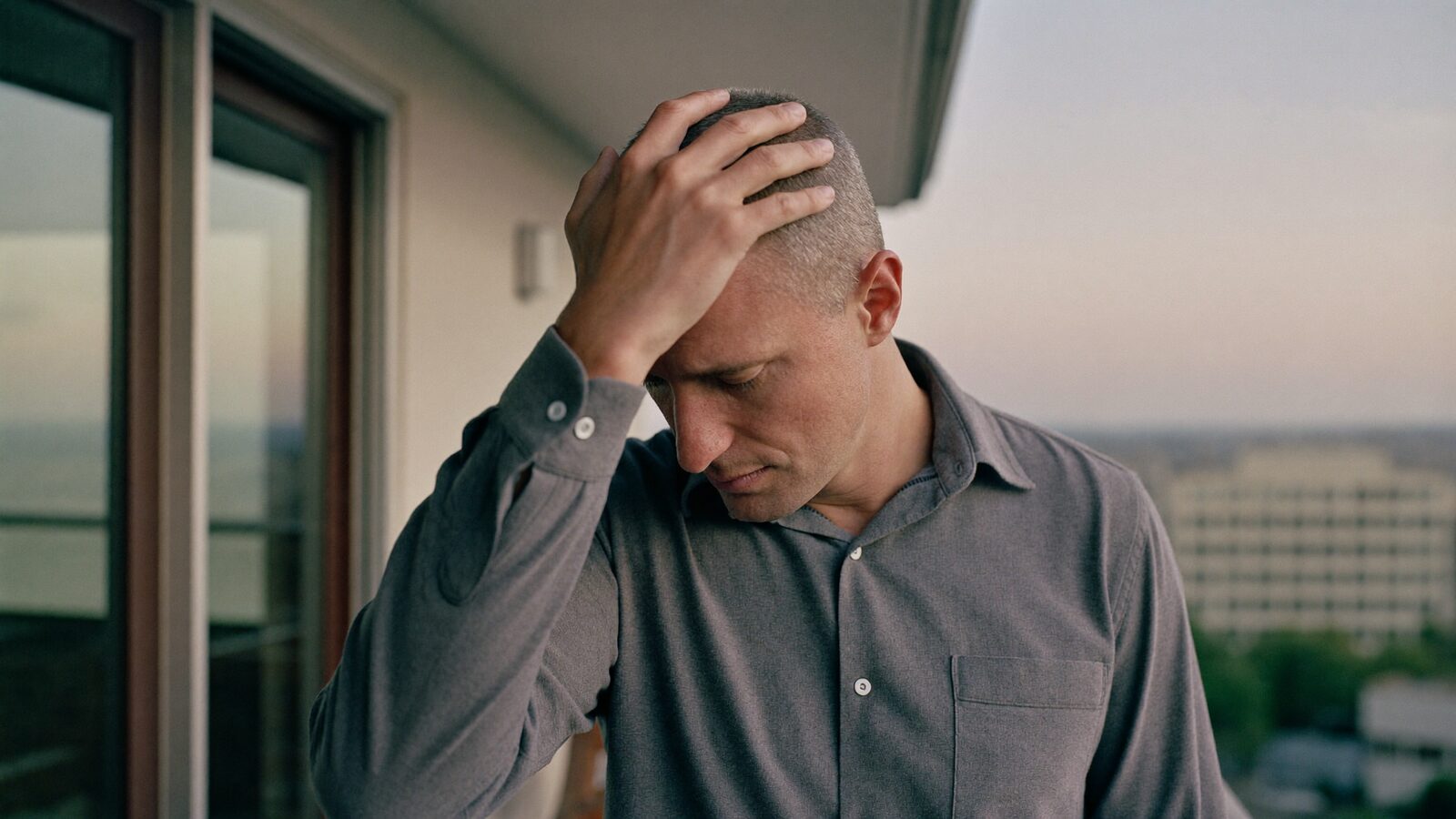
What causes hair loss in most adults is genetics: inherited sensitivity to DHT, a hormone made from testosterone, slowly shrinks follicles on the top of the scalp in a predictable pattern. Other causes include thyroid problems, low iron, certain medications, autoimmune conditions such as alopecia areata, tight hairstyles and major physical or emotional stress.
Knowing which cause is behind your thinning matters, because the fix depends on it. Pattern loss is long term and usually responds to medication or a transplant, while many other causes are temporary or treatable once found. This guide explains how DHT works, how to tell pattern loss from other types, when shedding is moving too fast and who to see first. If you already know you have pattern baldness, our hair transplant clinic in Wisconsin page explains how restoration is planned.
Key takeaways
- Androgenetic alopecia, also called male or female pattern hair loss, is the most common cause of thinning hair in adults.
- DHT shrinks genetically sensitive follicles over years, while follicles on the back and sides of the scalp usually resist it.
- Thyroid disease, low iron, medications, alopecia areata, traction and stress can all cause hair loss that looks different from the usual pattern.
- Sudden heavy shedding, patchy bald spots, scalp pain or redness are reasons to see a doctor promptly.
- Men are graded on the Norwood scale and women on the Ludwig scale, which helps track loss over time.
What causes hair loss?
Hair loss is caused most often by androgenetic alopecia, an inherited pattern in which hair follicles react to the hormone DHT and gradually shrink. Less common causes include thyroid imbalance, iron deficiency, some medications, autoimmune disease, tight hairstyles, illness and stress. Each cause produces a typical shape of loss, which helps a clinician identify it.
Every hair grows in a cycle. The growth phase, called anagen, lasts several years on the scalp. A short transition phase follows, then telogen, a resting phase of roughly three months, after which the hair falls out and a new one starts. Losing around 50 to 100 hairs a day is a normal part of that cycle. Hair loss becomes a problem when follicles stop replacing what falls out, or when many follicles enter the resting phase at once.
Broadly, causes fall into two groups. Some shrink or destroy follicles over time, as pattern baldness and scarring conditions do. Others push healthy follicles into the resting phase early, causing shedding that often recovers once the trigger is removed. Telling these apart is the first job of any assessment.
DHT and male pattern baldness explained
DHT and male pattern baldness are linked because DHT, or dihydrotestosterone, binds to receptors in genetically sensitive scalp follicles and causes them to shrink with each growth cycle. Over years the hairs become thinner, shorter and lighter until they stop showing. Follicles on the back and sides of the head usually lack this sensitivity, so they keep growing.
The body makes DHT from testosterone with an enzyme called 5-alpha reductase. Men with pattern loss do not usually have unusually high testosterone. What differs is how their follicles respond, and that response is inherited from either side of the family. A father or grandfather with thinning on top is a useful hint, but it is not the only factor.
The shrinking process is called miniaturization. Under magnification, a miniaturizing area shows hairs of mixed thickness, with fine, wispy strands growing beside normal ones. That is why many men first notice their hair looks thin under bright bathroom lights or in photos, long before any area is bald.
Why transplants last: Hair moved from the back and sides of the scalp keeps the DHT resistance of its original location, so transplanted hair usually continues to grow in its new place.
Women can also have pattern hair loss linked to hormones and genetics, but it tends to look different. Instead of a receding hairline, women usually notice a widening part and thinning across the top while the front hairline stays in place. Hormonal changes after pregnancy, around menopause or with conditions such as polycystic ovary syndrome can play a role. Women whose thinning is stable and limited can explore options such as a female hair transplant after a proper medical review.
Other causes of hair loss
Other causes of hair loss include thyroid disorders, iron deficiency, medications, alopecia areata, traction from tight hairstyles, scalp conditions and telogen effluvium after illness or stress. These often cause diffuse shedding or patches rather than the classic receding hairline or thinning crown, and many improve once the underlying problem is treated.
| Cause | What it typically looks like | Usually reversible? | Who to see first |
| Androgenetic alopecia | Receding temples, thinning crown, or a widening part in women | No, but often slowed with treatment | Hair restoration clinic or dermatologist |
| Thyroid disorders | Diffuse thinning all over, sometimes dry or brittle hair | Often, once thyroid levels are treated | Primary care doctor |
| Iron deficiency | Diffuse shedding, often with tiredness | Often, after iron levels recover | Primary care doctor |
| Medications | Diffuse shedding starting weeks to months after a new drug | Often, if the drug can be changed | The prescribing doctor |
| Alopecia areata | Smooth, round bald patches, sometimes in the beard or brows | Varies; hair often regrows | Dermatologist |
| Traction alopecia | Thinning at the edges where hair is pulled by tight styles | Early on, yes; long-term traction can be permanent | Dermatologist, then a restoration clinic if permanent |
| Telogen effluvium | Sudden heavy shedding two to three months after illness, surgery, childbirth or stress | Usually, within months | Primary care doctor |
| Scarring alopecias | Patches with redness, scaling, itching or pain | Lost hair usually does not return | Dermatologist promptly |
Stress deserves a short mention here. A shock to the system, such as a high fever, an operation, a crash diet or a very hard few months, can push many follicles into telogen at once. The shedding shows up a few months later, which is why people often do not connect it to the cause. Our guide on whether stress can cause hair loss covers this in detail.
How do I know if I am losing my hair too fast?
You may be losing your hair too fast if you see clumps of hair in the shower or on your pillow, a visibly wider part within a few months, new bald patches, or a hairline that moves back noticeably in under a year. Shedding well above the normal 50 to 100 hairs a day for more than a few weeks deserves a checkup.
Signs that point toward a faster or unusual process include:
- Sudden onset: Thinning that appears over weeks rather than years often has a trigger, such as illness, a new medication or a change in hormones.
- Patches: Round, smooth areas with no hair suggest alopecia areata rather than pattern loss.
- Scalp symptoms: Pain, burning, redness, scaling or pus can signal infection or a scarring condition that needs early treatment.
- Body hair changes: Losing eyebrow, eyelash or body hair at the same time points beyond pattern baldness.
- Other symptoms: Fatigue, weight change, feeling cold, or irregular periods can suggest thyroid or hormonal causes.
A simple home check is to take photos of your hairline, part and crown every month in the same light and position. Comparing them side by side shows whether things are steady or moving. In a Wisconsin winter, hair can also look duller and break more easily from dry indoor air and hats, so be careful not to confuse breakage, which leaves short broken strands, with true shedding from the root.
Norwood and Ludwig scales
The Norwood and Ludwig scales are grading systems for pattern hair loss. The Norwood scale grades men from stage 1, a full juvenile hairline, to stage 7, where only a band of hair remains on the back and sides. The Ludwig scale grades women in three stages of thinning along the top and part.
The Norwood scale for men
- Stages 1 and 2: Little or no recession, or a slight move of the hairline at the temples, common in adult men.
- Stage 3: Clear recession at the temples, often the first stage people describe as balding. A 3 vertex variant adds early crown thinning.
- Stages 4 and 5: Deeper frontal recession and a thinning crown, with a narrowing bridge of hair between them.
- Stages 6 and 7: The bridge is gone and the top is largely bald, leaving the familiar horseshoe of hair.
The Ludwig scale for women
Ludwig stage I shows mild thinning on top that is often only visible when hair is parted. Stage II shows clearly reduced volume and a wider part. Stage III shows extensive thinning across the top, with the scalp easy to see. The frontal hairline usually stays in place throughout.
These scales are useful for two reasons. They let you track change over time with a shared vocabulary, and they help a clinician estimate how many grafts a future plan might need. They also guide timing, which matters most for younger patients. Our article on the right age for a hair transplant explains how stage and age work together.
When to see a doctor and when to see a hair restoration clinic
See a doctor first when hair loss is sudden, patchy, painful or comes with other symptoms, because those signs point to a medical cause that needs testing. See a hair restoration clinic when the loss follows a gradual pattern, such as a receding hairline, thinning crown or widening part, and other causes have been ruled out.
A primary care doctor can order blood tests for thyroid function, iron stores and other common culprits, and can review your medications. A dermatologist is the right next step for patches, scalp inflammation or unclear diagnoses, and may examine the scalp under magnification or take a small biopsy.
A hair restoration clinic focuses on what happens once pattern loss is confirmed. That usually means:
- Mapping your loss: Grading your pattern and checking for miniaturization across the scalp.
- Measuring donor supply: Counting how many follicular units the back and sides can safely provide.
- Discussing medical support: Medication and PRP for hair loss to protect the hair you have. Our guide to non-surgical hair loss treatments compares the options.
- Planning surgery when it fits: A transplant moves DHT-resistant hair into thinning areas once the pattern is clear.
At Nova Medical Hair Transplant Wisconsin, a free assessment at our Wisconsin clinic looks at your pattern and donor area. If anything suggests a medical cause, we will recommend checking with your doctor first. Dr. Richard Parfitt, MD reviews every treatment plan.
Find Out What Is Behind Your Thinning
Book a free assessment at our Wisconsin clinic. We will grade your hair loss, check your donor area and explain your options clearly.