
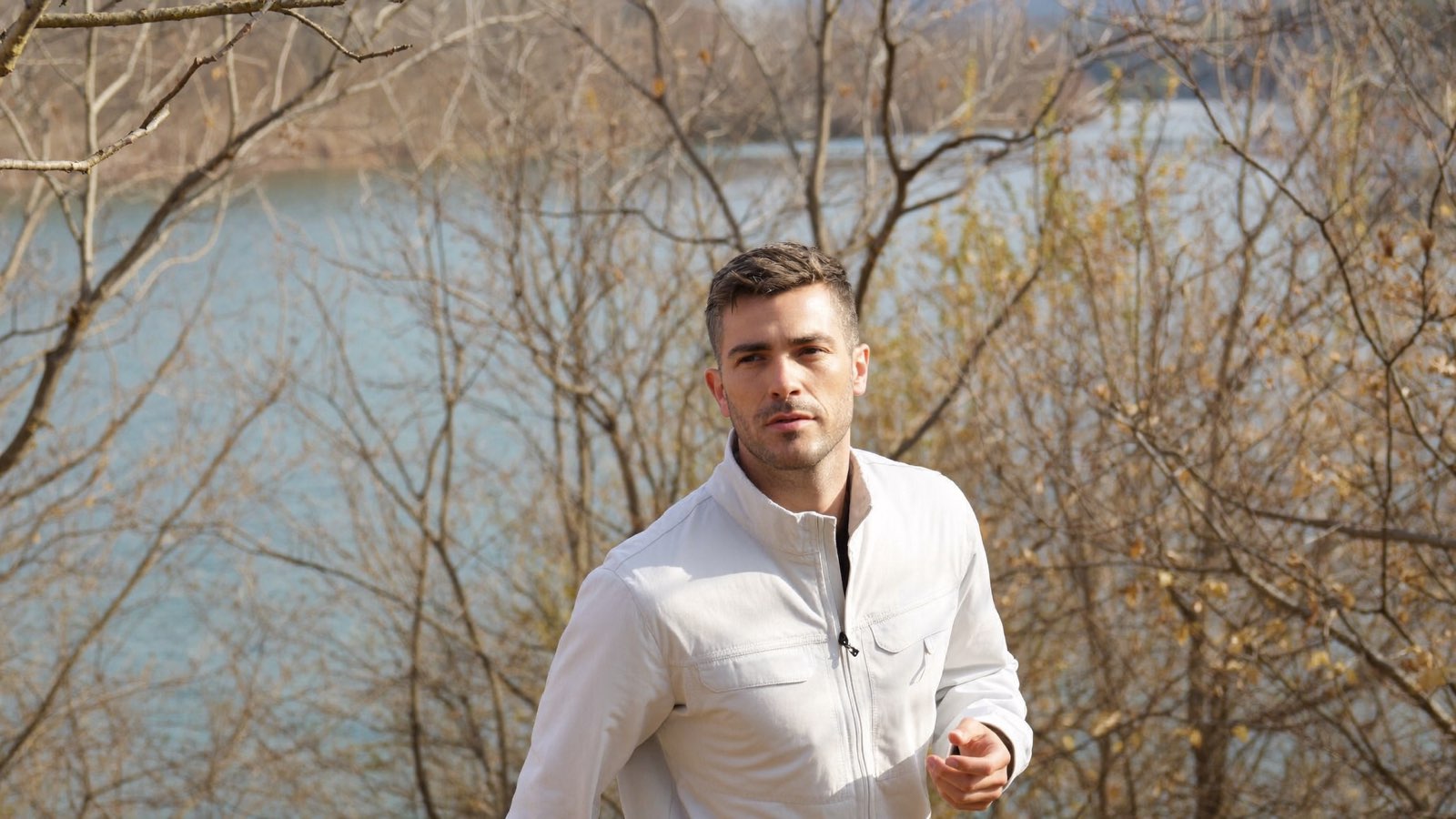
Exercise after a hair transplant is one of the first things active patients ask about, often before they ask about washing or hats. If you run the trails around Madison, lift three mornings a week, play rec-league hockey or simply walk the dog for an hour every evening, the idea of stopping can feel harder than the procedure itself. The pause is shorter than most people fear, and walking never really stops. Our hair transplant recovery in Wisconsin page sets out the clinic's rules: short, easy walks early on, no strenuous exercise or heavy lifting for at least the first week, and weight training, running and contact sports left for about two weeks, with the team telling you at your follow-up when you can train at full effort. This guide turns those rules into a practical plan, stage by stage and sport by sport.
One rule sits above everything here. The written aftercare sheet you take home from our Middleton clinic is the instruction that counts. Your graft count, the treated areas, how quickly you heal and whether you had FUE or FUT all move the clock, so where this article and your sheet disagree, follow the sheet and ask the team.
Why Training Is Put on Hold at All
Grafts are tiny groups of follicles sitting in small openings in the scalp. For the first several days they are held in place mostly by the clotting and fluid around them, and they only become firmly anchored as the skin heals. Three things that come with a workout work against that early anchoring.
- Blood pressure and blood flow. Hard effort pushes your heart rate up and sends more blood toward the head. Early on, that can restart oozing from the recipient sites and add to swelling across the forehead.
- Sweat. A sweaty scalp is damp, salty and harder to keep clean. Sweat softens crusts unevenly and makes you want to wipe or scratch, which is the last thing new grafts need.
- Contact and friction. Towels, headbands, helmets, a weight bench, a ball, an elbow or a hockey stick can all knock or rub the treated area.
Bending and bracing belong on the same list. Lowering your head below your heart, or holding your breath to brace for a heavy lift, raises pressure in the scalp in much the same way, which is why the restriction covers moving furniture and clearing the driveway as well as the gym. Our guide to what happens if you skip post-op instructions covers what goes wrong when people push too early. This article focuses on how to come back at the right pace.
The Safe Timeline at a Glance
The table below lines up with the aftercare published on this site. Treat each stage as the earliest point most people reach rather than a target, and expect your own sheet or follow-up to move a step earlier or later.
| When | Usually fine | Still waits |
| Days 0 to 2 | Rest and short, easy walks around the house | Anything that raises your pulse, bending over, lifting |
| Days 3 to 7 | Gentle walks outdoors at a chatting pace | Strenuous exercise, heavy lifting, heavy sweating |
| Days 8 to 14 | Longer, steady walks and light daily activity | Heavy exercise, contact sports, saunas, hot tubs, swimming |
| From about two weeks | Easy runs and light weights once the clinic agrees | All-out efforts, maximal lifts, contact sports |
| Weeks 3 to 4 | Building time first, then intensity, step by step | Pools, lakes and hot tubs until about four weeks |
| After follow-up clearance | Full training, including contact sport once approved | Any remaining notes on sun, hats and headgear |
For everything else that happens in the same two weeks, including rinsing, scabs and the first check-up, our hair transplant recovery day by day guide walks through each stage.
Days 0 to 7: Walking Is the Whole Program
For the first week the plan is simple: walk, and do nothing else that counts as training. On surgery day and the two days after it, keep walking to short trips around the house, the yard or the block. Moving around eases the stiffness that comes from hours of sitting still on procedure day, and it is good for circulation in the legs, but there is nothing to gain from adding distance.
From around day three, an easy walk outside is usually fine. Keep it conversational: if you could not chat comfortably, you are going too hard. Choose flat routes over hills, avoid busy paths where a low branch, a dog on a long leash or a crowded sidewalk could bring something into contact with your head, and turn for home before you are warm enough to sweat. In late autumn that often means dressing a little lighter than feels natural for the first few minutes, since a heavy coat zipped to the chin can overheat you halfway round.
Some jobs around the house do not look like exercise but load the body the same way: carrying laundry baskets up the stairs, loading a dishwasher with your head down, picking up a toddler, hauling groceries out of a car trunk or crouching to tie boots. Ask for help, or sit down to do them. If your work involves this kind of effort, the time away from your job is a separate question, and our article on time off work after a hair transplant plans it role by role.
The talk test: for the first two weeks, every walk should pass the talk test. If you can hold a normal conversation without gasping and you come home dry, the effort was right. If you are breathing hard or wiping your forehead, slow down or shorten the route next time.
Days 8 to 14: Longer Walks, Still No Strain
By the second week most scabs have cleared and the scalp looks far closer to normal. This is when many active people feel ready to train again, and it is also when the most avoidable setbacks happen, because the skin looks healed before the grafts are fully settled.
What usually changes is distance rather than intensity. Walks can get longer and a little brisker, as long as you stay below the point of heavy breathing and heavy sweat. Gentle mobility work done standing or seated, such as shoulder rolls, easy hip openers and calf stretches against a wall, is generally fine. What still waits: running, weights, hard cycling, rowing, interval classes, contact sports and anything that holds your head below your heart. Saunas, steam rooms, hot tubs and swimming stay off the list too.
If you are an early riser who misses the routine, keep the habit and change the content. Go out at your usual training time and walk the loop you normally run. The routine stays alive without asking anything of the grafts, and the return to running feels less like starting over.
From Two Weeks: Easing Back Into Running and Weights
The clinic's guidance is to leave weight training, running and contact sports for about two weeks, and the team confirms at your follow-up when full effort is fine. The safest way to use that point is as the start of a gradual return, not a switch from nothing straight back to normal.
Running and cardio
Start with short, easy runs or a run-walk mix at a pace well below your usual, on a treadmill, a flat trail or a quiet road. Stationary bikes, ellipticals and incline walking make good bridges because they raise the heart rate in a controlled way and are easy to stop. Keep the first sessions short enough that you finish dry or close to it, and add time before you add speed. Intervals, hill repeats and race-pace efforts come last.
Weights
Go back with light loads and higher repetitions, and breathe steadily through each rep instead of holding your breath. Bracing hard for a heavy squat or deadlift is exactly the strain the restriction is meant to avoid. Machines and seated exercises that keep your head upright are easier early on than heavy barbell work, and moves with the head down, such as bent-over rows or deep forward folds, can wait a little longer. Our FUE information advises holding off on heavy lifting and intense workouts for the first four weeks, so treat maximal lifts and personal bests as goals for after the first month.
Gym habits that protect the grafts
Wipe down benches and handles before use, keep a clean towel for your face and neck only, and never press a towel onto the recipient area. Wear nothing tight on your head. A loose cap may be fine for outdoor sessions by this point, but the timing for hats is on your aftercare sheet, and headbands and sweatbands should wait until the team says the scalp can take the pressure.
After the First Month: Water, Heat and Contact Sports
By about a month most people are back to regular activity, including exercise, and the questions left are about water, heat and collisions.
- Swimming. Stay out of pools, lakes and hot tubs for about four weeks. Chlorine irritates healing skin, and lake water and hot tubs can carry bacteria. Few autumn patients are tempted by Lake Mendota in December, but indoor pools and gym hot tubs fall under the same rule.
- Saunas and steam rooms. Heat and heavy sweating go together, so treat a sauna the way you treat a hot tub and ask at your follow-up before going back.
- Contact sports. Hockey, basketball, football, soccer, wrestling and martial arts bring the risk of a knock to the head, and many need a helmet or headgear that presses on the scalp. These are usually the last activities to return. Describe your sport and your gear to the team so the advice fits.
- Helmets. Bike, ski, snowboard and hockey helmets sit right over the recipient area and often the donor area too. Never ride or skate without one to spare the grafts. Wait to do the activity until the team agrees the scalp can take a helmet, and make sure the liner is clean.
Hair falling out around this time is normal and has nothing to do with your workouts. Transplanted hairs commonly shed in the weeks after surgery while the follicles stay in place, and new growth follows a few months later.
Activity by Activity: Where Your Sport Fits
Every sport loads the body differently, so it helps to know where yours sits on the timeline. These notes follow the stages above; your follow-up has the final say.
- Walking and hiking: walking from the first days. Hikes with steep climbs, a heavy pack or scrambling over rocks wait until you are cleared for harder exercise.
- Yoga and Pilates: seated and standing poses are the easiest place to restart once the two-week mark has passed and the clinic agrees. Downward dog, forward folds, inversions and hot yoga wait longer, because they put the head low or add a lot of heat.
- Cycling: a stationary bike at an easy effort is one of the first cardio options to return. Riding outdoors means a helmet, so it follows the helmet rule.
- Team and racket sports: pickleball, tennis and basketball involve sudden sprints, sweat and the odd ball to the head. Start with easy hitting or shooting before any match play.
- Golf: putting and chipping are gentle. Full swings, carrying a bag and bending to tee up add more strain, and an exposed scalp in the sun needs the protection your sheet describes.
- Home workouts: online classes often mix burpees, push-ups and floor work that drop the head. Choose low-intensity, upright sessions first.
Wisconsin Seasons: Trails, Shovels and Deer Season
Late autumn and winter bring activities that do not look like exercise on paper but work the body just as hard.
- Snow shoveling: heavy lifting with your head bent forward, in cold air that tempts you to pull on a tight hat. Our day-by-day guide treats it as heavy exercise for the first two weeks, so line up a neighbor, a family member or a plowing service before surgery.
- Deer season: the November gun hunt can mean long walks in heavy clothing, climbing into a tree stand and dragging a deer out of the woods. The drag alone is a serious strain. If your procedure falls close to opening weekend, plan to sit it out or hunt with a partner who does all the hauling, and ask the clinic when a loose blaze orange cap is acceptable.
- Cross-country skiing and snowshoeing: low-impact options once you are cleared, but they are long efforts that build heat under layers. Start short and dress so you can open a zipper before you sweat.
- Ice fishing: drilling holes with a hand auger and pulling a sled or shanty across the ice is a bigger effort than the sitting suggests. Let someone else do the heavy work for the first weeks.
- Lakeside and park trails: ideal for the easy walks of the first two weeks. Watch for frost and early ice on boardwalks and shaded sections, since a fall onto the head is a bigger risk than the cold.
Cold air itself does not harm healing grafts. The real issues are tight winter hats, layers that trap heat, icy footing and the heavy chores the season brings.
FUE vs FUT: Why the Donor Area Changes the Clock
With FUE, follicles are removed one at a time and the small openings in the donor area close on their own, so the timeline above is driven mostly by the recipient area. FUT is different. A narrow strip of scalp is taken from the back of the head and the area is closed with stitches, which come out at a short follow-up around days 10 to 14. Effort, bending and heavy lifting pull on that closure, and stretching it while it heals can leave a wider scar than necessary.
The FUT information on this site notes that many patients return to light exercise once the stitches are out and wait two to three weeks before heavy workouts. Movements that load the neck and the back of the head deserve extra caution after FUT, including heavy shrugs, overhead pressing, headstands and wrestling, so ask the team which ones to hold back and for how long. Our comparison of FUE vs FUT explains both techniques in more depth, including how recovery differs.
Signs You Did Too Much
If you trained harder than planned, stop and check rather than worry. Look at the treated area in good light, rinse only as your sheet allows and rest with your head raised. Most of the time nothing has changed. Call the Middleton clinic if you notice:
- Bleeding from the recipient or donor area that does not settle with gentle pressure from clean gauze
- A graft that seems to have come out, often marked by a small spot of fresh blood
- Swelling that returns or grows after it had begun to fade
- Warmth, spreading redness, discharge or a fever in the days after
- After FUT, pulling, a gap or new pain along the stitch line
Tell the team what you did and when. It helps them judge whether anything needs attention and what the next few weeks of training should look like.
Planning Your Training Around Surgery at Our Middleton Clinic
At our Middleton clinic, serving Madison and the surrounding area, Dr. Richard Parfitt, MD oversees every treatment plan, and the team goes through your activity limits before your procedure date and again at follow-up. Bring your training to the consultation: the sports you play, how often, any races, tournaments or hunting trips on the calendar, and the gear you wear on your head. A spring half marathon or a winter hockey league can shape which week to book.
A few habits help active patients most. Book the procedure after a big event rather than just before one. Treat the first two weeks as a planned rest block, the kind many training plans build in anyway. Use the time to sleep well and eat well. Two quiet weeks are a small part of a training year, and they protect a result that is meant to last.
Plan Your Recovery Around Your Training
Book a free consultation at our Middleton clinic, serving Madison and the surrounding area. We explain the activity timeline for your plan, how to schedule around races and seasons, and what your written aftercare will cover. Call (414) 888-6426.